

By: Superior Glove, leading safety glove innovator
In food processing environments, consistency and safety are essential at every stage. From raw ingredient handling to final packaging, each step must meet strict standards to protect consumers and maintain operational integrity. The gloves workers rely on each day play a critical role in preventing contamination, and regulatory requirements help ensure those gloves meet established food safety standards.
The Food and Drug Administration and the Canadian Food Inspection Agency are the primary regulatory bodies overseeing product safety in the United States and Canada, respectively. Their regulations extend to gloves used in the food industry to support hygiene and contamination prevention. In industries such as pharmaceuticals, health care, glass and electronics, FDA/CFIA-compliant gloves are also considered a strong indicator that safety requirements will be met.
FDA vs. CFIA for food-safe gloves
In the United States, FDA is the regulatory body responsible for overseeing food, medical devices, drugs and other products. For safety gloves, FDA compliance means the gloves meet established safety and quality standards. These standards address factors such as material composition, durability and intended use to ensure the gloves are suitable for food contact and safe handling applications.
CFIA is Canada’s regulatory authority responsible for ensuring food safety standards are upheld. For gloves used in food handling, CFIA compliance signifies that the gloves meet the agency’s guidelines and are safe for food contact. CFIA-compliant gloves are appropriate for food processing, preparation and handling, meeting specific requirements related to materials, cleanliness and overall safety.
Both regulatory bodies work to prevent contamination and maintain food hygiene. Businesses must adhere to CFIA/FDA guidelines to ensure the safety of food-handling gloves.
Note: FDA/CFIA-compliant gloves are accompanied by a letter of conformity confirming that they weren’t manufactured using hazardous materials. This documentation also verifies that the gloves have undergone rigorous testing to ensure they won’t contaminate food and that they maintain hygiene standards.
What makes gloves food safe
FDA/CFIA guidelines emphasize gloves made from food-safe materials that prevent contamination caused by shedding, chemical leaching or linting. In addition to being sanitary, food-safe gloves should meet the following criteria:
Nonshedding material: The material must not shed particles that could contaminate food.
Nontoxicity: Materials used in food-safe gloves must be nontoxic and free from harmful additives or coatings that could be transferred to food.
Resistance to chemicals: Gloves should resist chemicals commonly used in food handling and preparation to prevent degradation or contamination.
Ease of cleaning: Food-safe gloves are typically made from materials that can withstand bleaching and heat without deteriorating. They should be easy to clean and sanitize between uses or be designed for single use and proper disposal.
Durability: Gloves must be durable enough to withstand the demands of food handling without tearing or puncturing, reducing the risk of contamination.
Enhancing contamination detection and prevention
Food contamination can result in large-scale factory shutdowns, significant financial losses and potential legal action. To help mitigate these risks, glove manufacturers incorporate technologies and design features that support contamination detection.
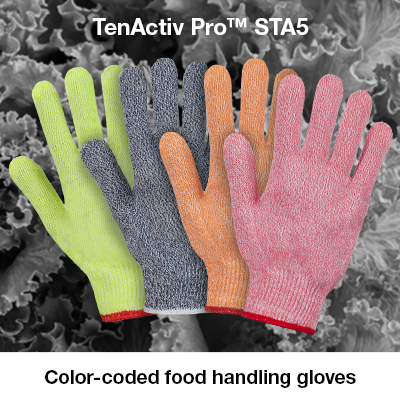 Glove color:
In large-scale food processing environments, high-visibility gloves (most commonly blue) allow for easier contamination detection. Different colored gloves may also be assigned to specific areas within processing plants to help prevent cross-contamination.
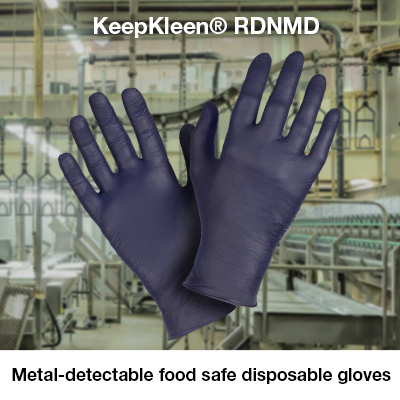
Metal detectors:
Metal detection systems play an essential role in food inspection processes. Metal-detectable food-safe gloves can help reduce costs associated with incidental contamination and minimize food waste.
Selecting gloves that meet FDA/CFIA requirements helps reinforce a facility’s commitment to food safety, compliance and operational continuity. By prioritizing certified materials and contamination-detection technologies, businesses can strengthen their food safety programs and reduce risk at every stage of production.
Superior Glove offers a wide selection of FDA- and CFIA-compliant gloves designed for food processing environments, including high-visibility, color-coded options and metal-detectable gloves. Ready to choose food-safe gloves for your team?
