

Responding is Samantha Bigner, product marketing specialist – workwear, PIP Global Safety, Latham, NY.
Selecting protective clothing may seem straightforward, but it’s one of the most critical decisions an organization makes to safeguard its workforce. The goal is simple: protect workers from the hazards they face. Yet many programs fall short because of how protective clothing is evaluated, selected and managed. By understanding these five common missteps, organizations can build strategies for personal protective equipment that truly elevate safety and support worker performance.
- Relying solely on minimum compliance standards.
Certifications and standards are essential, but they should be viewed as a baseline rather than the final measure of suitability. A garment may meet a standard yet still fall short if real-world hazards differ from the test conditions used for certification. Organizations should conduct a task-specific hazard assessment that considers the environment, exposure duration and work activities to ensure the selected garment provides protection appropriate to the actual risks.
- Excluding workers in the selection process.
Protective clothing is often chosen by safety managers or procurement teams without direct input from the people who wear it daily. Workers can provide valuable insight into comfort, durability, usability and limitations that may not be apparent during product evaluation. Incorporating worker feedback and conducting wear trials helps identify practical issues early and often leads to better adoption and consistent use.
- Assuming one size fits all.
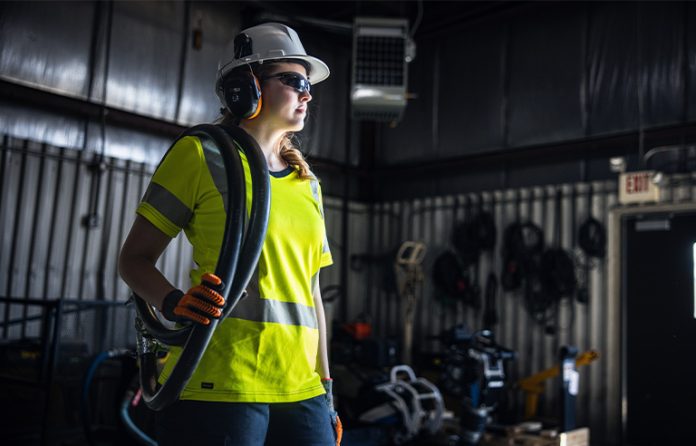
One size doesn’t fit all when it comes to protective clothing. Ill-fitting PPE can significantly reduce protection and create additional hazards, leading to trips, snags, restricted movement, heat stress and decreased worker performance. OSHA’s updated PPE rule reinforces that protective equipment must properly fit each worker, including women and those requiring nonstandard sizes.
To support compliance and worker safety, employers should provide PPE in a full range of sizes, including gender-specific designs that better match body proportions. Proper fit improves comfort, mobility and ergonomics, helping prevent fatigue and encouraging consistent PPE use.
- Looking only at upfront costs.
Budget constraints can lead organizations to select the lowest-cost option without considering long-term performance. Lower-cost garments may wear out faster, require more frequent replacement, or reduce worker comfort and productivity. A more effective approach is evaluating the total cost of ownership, including durability, lifecycle, maintenance and the potential impact on worker safety and efficiency.
- Avoiding regular reevaluation of protective clothing programs.
Workplace hazards, processes and regulations evolve over time, but PPE programs often remain static. Organizations should periodically review their protective clothing programs to ensure they align with current risks, advances in materials and technology, and evolving safety best practices.
Selecting protective clothing shouldn’t be viewed as a one-time purchasing decision, but as an ongoing safety strategy. By moving beyond minimum compliance, engaging workers in the process, prioritizing fit and performance, and regularly reassessing workplace risks, organizations can build stronger PPE programs that better protect their workforce.
Editor’s note: This article represents the independent views of the author and should not be considered a National Safety Council endorsement.

