

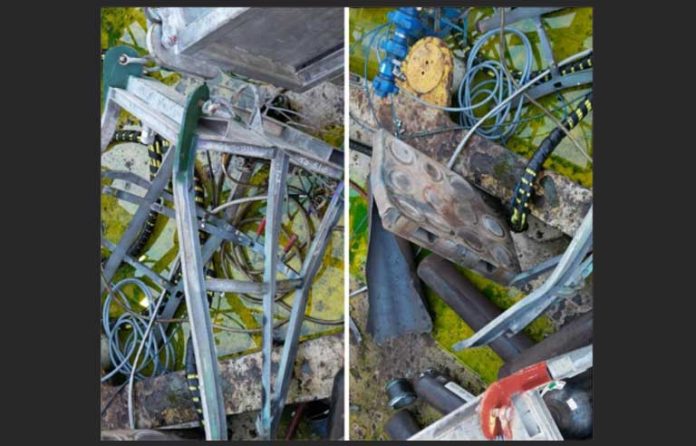
Washington — Operators of offshore oil and gas rigs and their contractors should train all workers on proper procedures and safety precautions for handling and transporting high-pressure nitrogen cylinders, the Bureau of Safety and Environmental Enforcement says in a recently released alert.
BSEE oversees safety for the offshore energy industry. The agency says it issued the safety alert after completing an investigation into a recent incident involving the rupture of an improperly inspected nitrogen cylinder. Three workers suffered minor shrapnel injuries and equipment was damaged.
BSEE attributes the cylinder failure to corrosive wall loss that was exacerbated by environmental factors and structural conditions. The galvanic coating on a storage rack “further compounded the failure, indicating systemic neglect of maintenance protocols that could prevent such incidents.”
Other recommendations:
- Ensure all cylinders are properly labeled and marked with appropriate U.S. Department of Transportation identification numbers.
- Verify all cylinders are within their recertification period and have been properly recertified.
- Make sure all cylinders are filled to the appropriate pressure and the filling process is properly documented.
- Train all workers on the importance of monitoring environmental conditions and identifying the early signs of corrosion.
- Foster a culture of safety and diligence regarding the handling and maintenance of gas cylinders.
- Review and update high-pressure cylinder safety procedures regularly to ensure compliance with DOT regulations.
- Implement a robust inspection program and monitoring system to track the condition of cylinders and storage racks. Establish a reporting mechanism for any observed deterioration or safety concerns.
- Establish a routine maintenance schedule that includes cleaning, inspection and protective coating application to prevent corrosion. This should also involve checking for and addressing any crevices or pooling of water around the bases of the cylinders.
“By addressing these recommendations, the risk of future failures can be significantly reduced, ensuring the safety of personnel and the integrity of the storage system,” the alert states.

