“SIF prevention isn’t only about numbers. It’s about people. It’s about engaging all levels within an organization in a meaningful way to better understand SIF risks.”
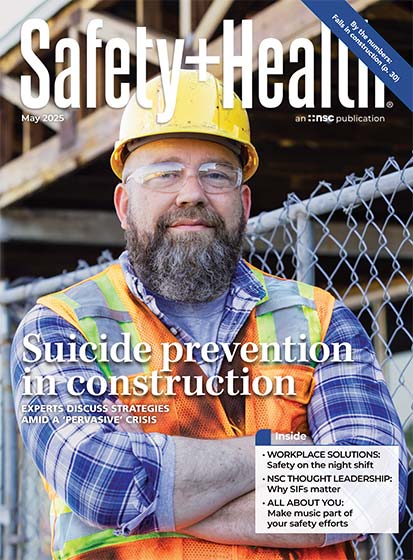
This month’s NSC Thought Leadership column features the first of a five-part series on SIFs. Written by Perry Logan, senior director of NSC Networks, it’s titled, “Understanding SIFs: Why they matter to everyone.”
A 52-year-old press operator had been employed for about seven years at a facility that fabricated motor vehicle brake system components. Primary production involved stamping and forming parts from steel rolls.
If your work includes operating power tools, replacing fuses or handling any device that could give you an electric shock, you should wear rubber-soled shoes and insulated safety gloves, says the Division of Workers’ Compensation at the Texas Department of Insurance.
Increasing safety participation consistently ranks as a top priority for EHS professionals across all industries. What are some actionable strategies for doing that?
During Construction Safety Week (May 5-9), KASK – the premium designer and manufacturer of head protection – is announcing the launch of the Zenith X2 MAX, a Type II safety helmet that extends the fit range up to 66 centimeters, ensuring a secure and comfortable fit for a wider range of users while maintaining the same high level of protection for which KASK is known.
From cotton to nylon to aramids, string-knit safety gloves offer various levels of hazard protection and are typically classified by their gauge – ranging from seven to 21. But what’s glove gauge and how does it affect glove performance?
When investing in the health and safety of your most important assets – your employees – many other factors go into making an informed decision. You’ll find these considerations in this big-picture overview: “Realizing the True ROI of Safety – Evaluating the Data and Dollars.”