After several days of snow, you’re itching to get out of the house. The skies are finally clear, so you call some friends and the three of you head outside for a walk. A teeth-chattering half mile later, you notice one friend is starting to slur her words a little. You look at her and realize she’s no longer shivering.
It’s time to get inside. Experts say the symptoms your friend is experiencing could indicate hypothermia. This is a medical emergency that happens when someone’s body temperature falls below 95° F – down from the average 98.6° F – because the body is losing heat faster than it can produce it.
Other symptoms of hypothermia include weak pulse, clumsiness, drowsiness and memory loss.
Prevent hypothermia before it sets in by following this advice from experts.
Before you head out
Wintertime is “not the time to be a slave to fashion,” Mark Cichon, an emergency physician and chair of the Department of Emergency Medicine at Loyola University Chicago said. “Just stay warm.”
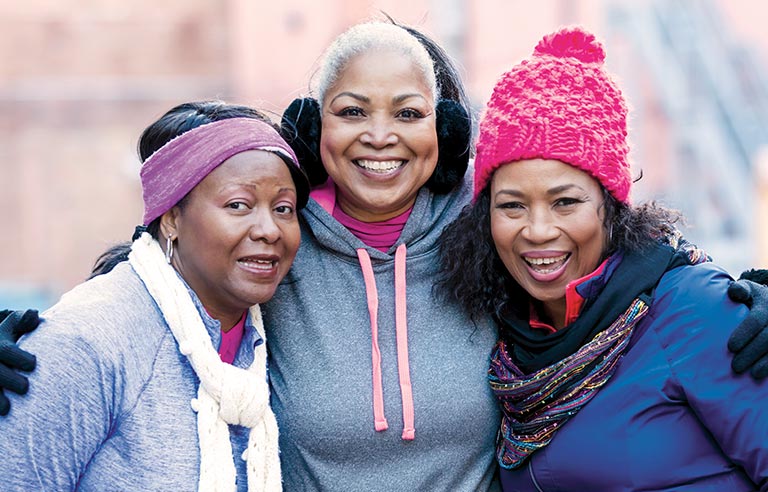
He recommends wearing a winter hat and protecting your hands with mittens or gloves to help keep body heat from escaping. And don’t forget to wear boots.
“You can always take layers off and put layers on, which will help maintain temperature,” Cichon said. “You don’t have to have a single, really heavy coat on when you can put on different layers to maintain the integrity of the warmth that you’re producing around you.”
Other ways you can prepare your body for frigid temperatures include making sure you’re hydrated and well-rested, says Gary Zimmer, a Conshohocken, PA-based doctor and member of the American College of Emergency Physicians. And eat a hearty meal: The body uses more calories when it’s cold.
Avoid smoking and alcohol use, which can hinder blood circulation.
Who’s at risk?
The elderly, very young children, and people who are malnourished or fatigued are at higher risk of developing hypothermia, according to the Nicklaus Children’s Hospital in Miami.
“Children and the elderly are certainly at higher risk,” Zimmer said. “And with the elderly comes lower metabolic rates, medications that lower your body’s ability to regulate temperature and just general overall conditioning put them at higher risk.”
How can you make sure kids stay warm and safe? The Mayo Clinic recommends the following:
- Dress infants and young children in one more layer than an adult would wear in the same conditions.
- Bring children indoors if they start to shiver.
- Make children take frequent breaks and warm up inside when they’re playing in cold temperatures.
- Don’t put babies to sleep in a cold room.
Other people at risk are those with chronic illnesses or heart or blood flow problems, people taking certain prescription medicines (including antidepressants and narcotic painkillers) and anyone under the influence of drugs or alcohol.
“Prevention-wise, it’s really about limiting exposure time, and so appropriate layering and staying away from extreme temperatures for prolonged periods of time are of the most importance,” Zimmer said.
Check on the elderly
Elderly people face another risk: a condition called chronic hypothermia, Cichon said. This occurs when the body temperature drops over time after prolonged exposure to colder indoor temperatures. Side effects include impaired cognitive function and coordination, which may lead to falls and injuries. Cichon urges people to regularly check in with older relatives and neighbors.
“Make sure that they have adequate heat in the house,” he said. “Make sure that they have adequate food. Make sure that they’re safe in the sense that if they don’t have heat, they’re not using space heaters that are close to curtains or to blankets or to things that can catch fire if they’re overheated or tipped over, or whatever the case might be.”