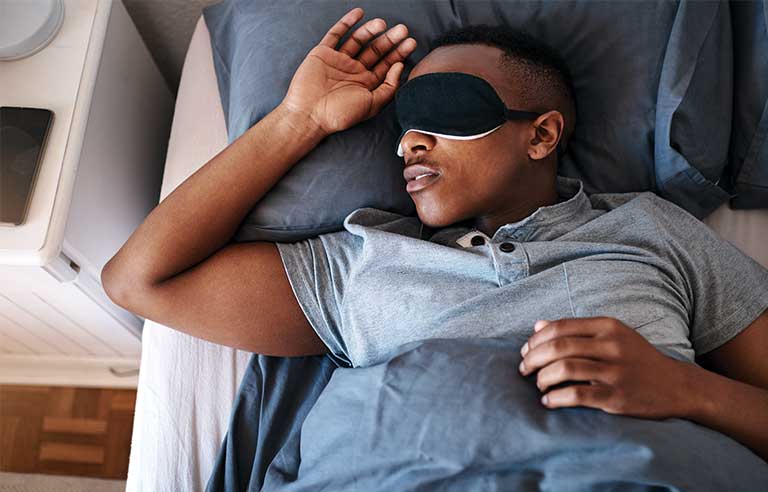
The less light in your bedroom at night, the better. That’s what researchers from Northwestern University are saying after their study found that light exposure during sleep may harm your cardiovascular function and increase your insulin resistance.
The researchers monitored 20 young adults who, for the study, slept with different levels of lighting, including night lights and overhead lights. Results showed that even one night of sleeping with moderate light (100 lux) was associated with increased heart rates and accelerated resistance to the hormone insulin, which regulates blood sugar. Prolonged insulin resistance may lead to Type 2 diabetes.
Additionally, although all of the participants registered similar melatonin levels, those in the group exposed to more light spent less time in the rapid eye moment sleep stage and showed a lower heart rate variability.
For better sleep, the researchers say to:
- Turn off all lights; if you prefer a light for safety, use a dim light closer to the floor.
- Avoid white or blue light; amber or red/orange light is less stimulating for the brain.
- Move your bed so outdoor light doesn’t shine on your face.
- Use blackout shades or eye masks to control outdoor light.
The study was published in the Proceedings of the National Academy of Sciences.