

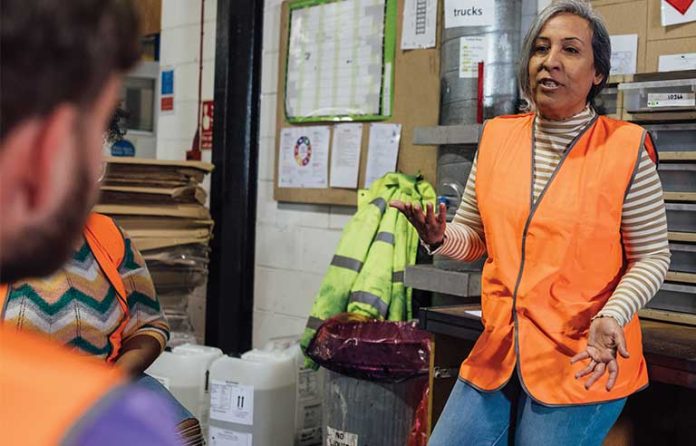
How much does your organization spend on safety training? How does it compare with similarly sized employers?
The results of Safety+Health’s 2024 Training Survey are in. We’ve got charts on expenditures, types of training, delivery methods and more.
New this year: Who’s conducting safety training and where it’s taking place. These questions were included as a direct result of feedback from readers – so thank you!
Have other suggestions? Email them to [email protected].
And don’t miss the “You Said It” section, in which respondents share their experiences and lessons learned.

| Next: Types of training |
Page 2 of 5
Types of training
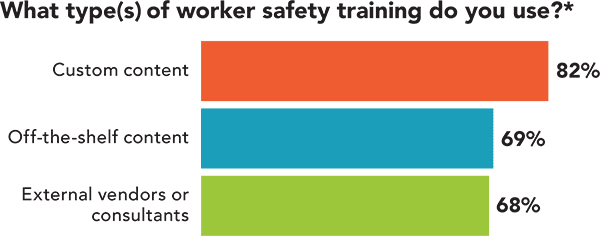
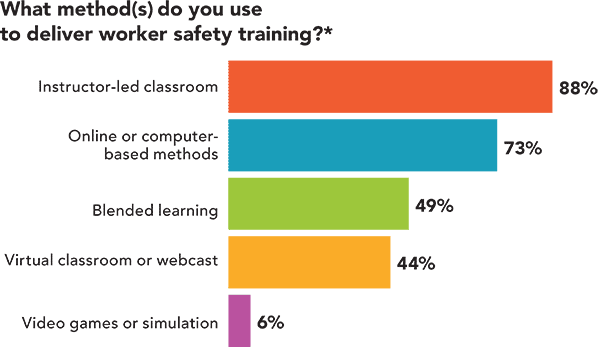
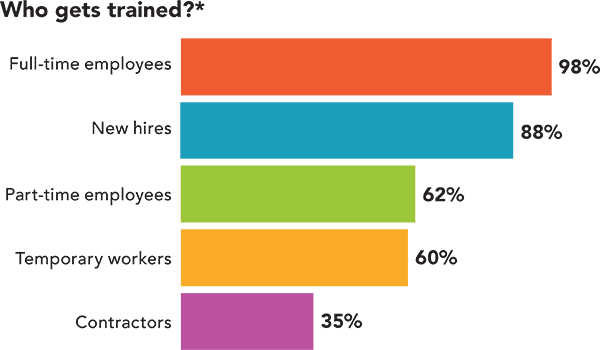
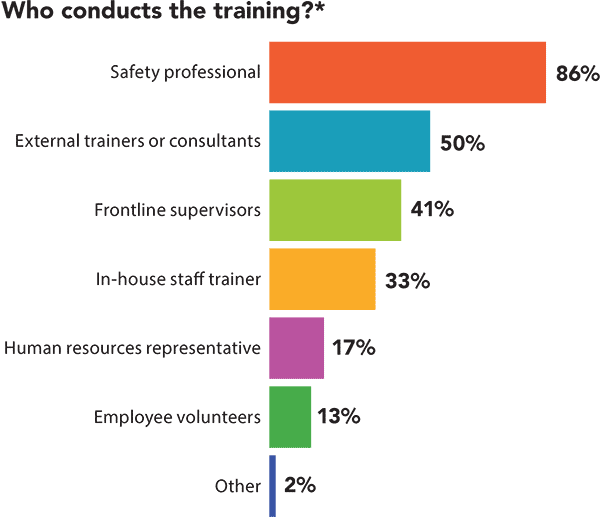
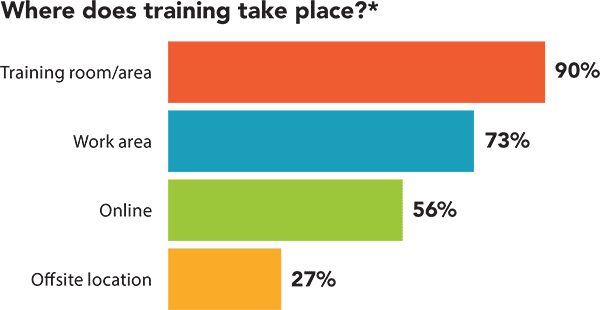
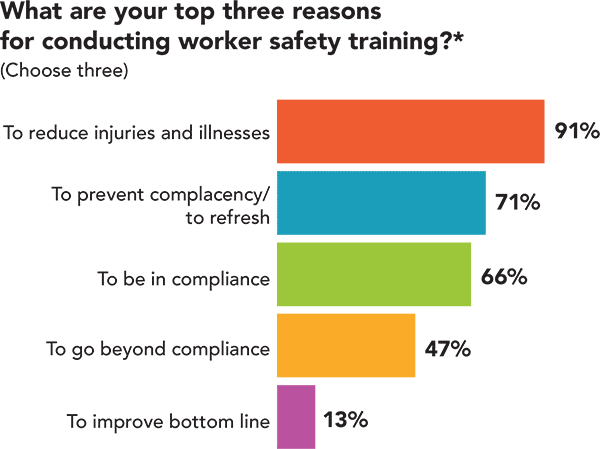
The 2024 Safety+Health 2022 Training Survey was emailed in February to 9,329 S+H subscribers; 215 responded, a 2.3% response rate.
*Multiple responses were allowed.
|
Sponsored by
|
Next: Training expenditure |

Page 3 of 5
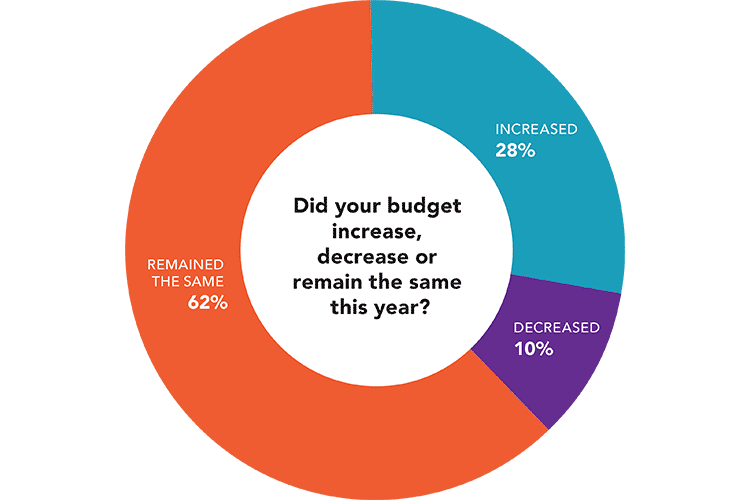
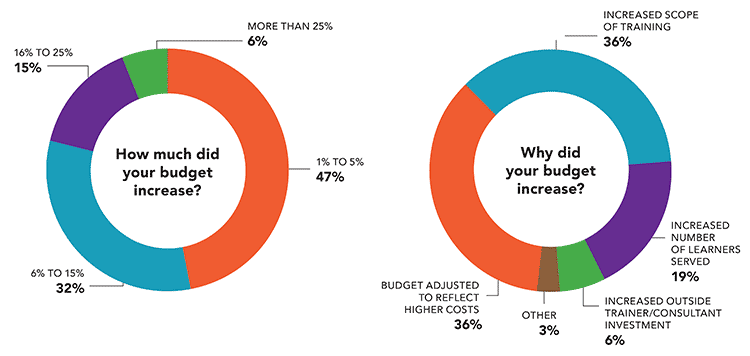
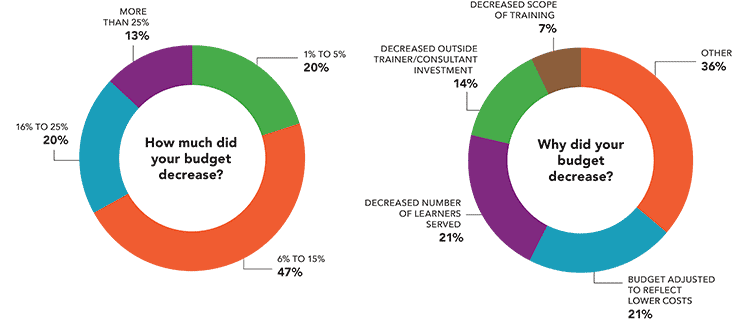
Training expenditure
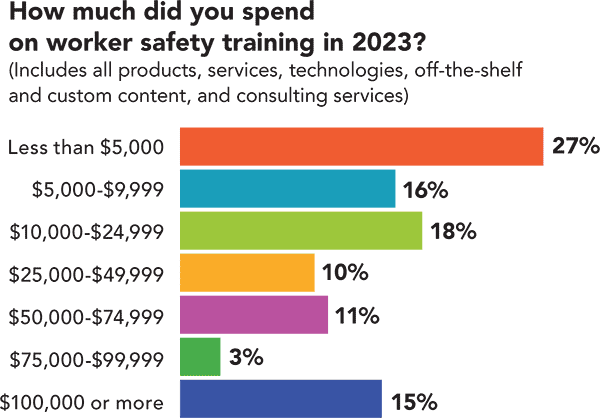
Total worker safety training expenditure in 2023, by number of employees
Click spend ranges in the legend below the chart to select or deselect which ranges are displayed.
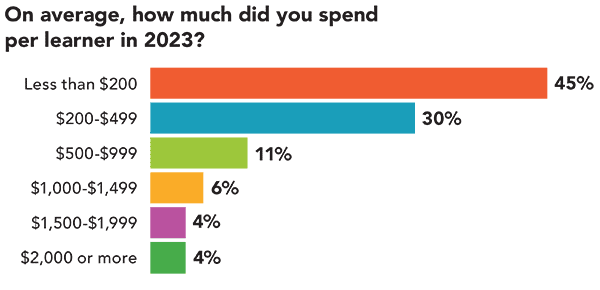
Average worker spend in 2023, by number of employees
Click spend ranges in the legend below the chart to select or deselect which ranges are displayed.
The 2024 Safety+Health Training Survey was emailed in February to 9,329 S+H subscribers; 215 responded, a 2.3% response rate.
*Multiple responses were allowed.
|
Sponsored by
|
Next: About the respondents |
Page 4 of 5
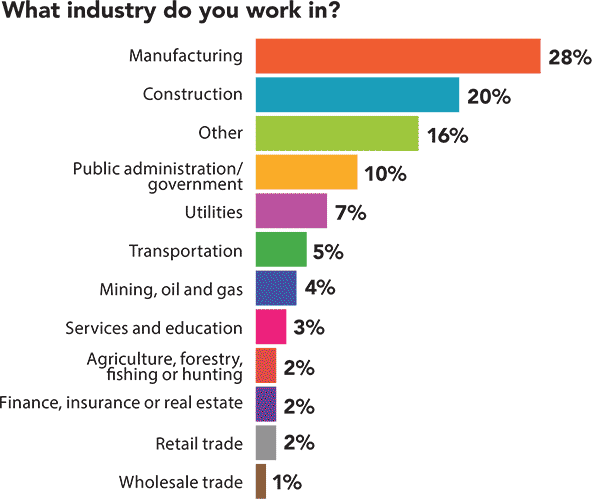
About the respondents
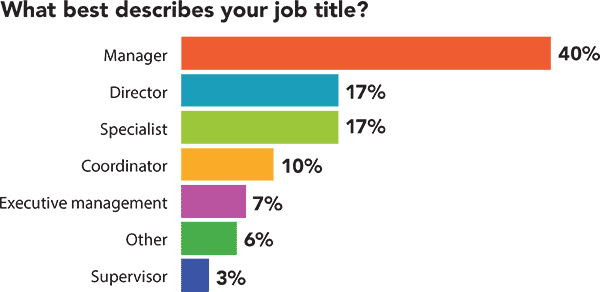
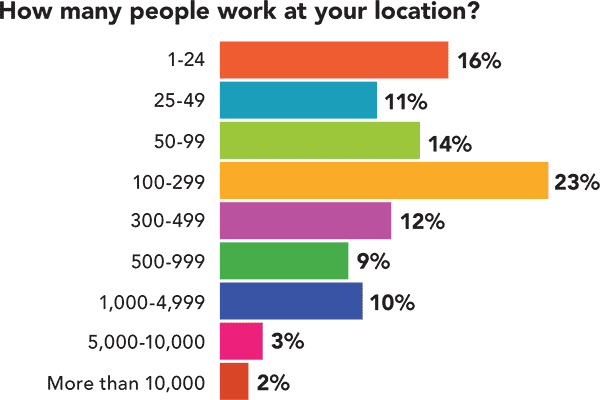
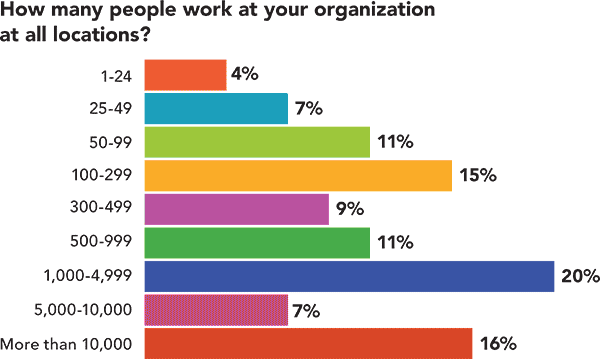
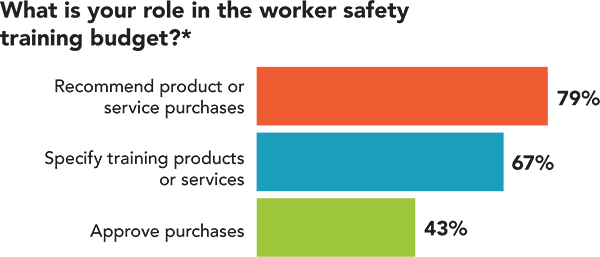
The 2024 Safety+Health Training Survey was emailed in February to 9,329 S+H subscribers; 215 responded, a 2.3% response rate.
*Multiple responses were allowed.
|
Sponsored by
|
Next: Respondent comments |
Page 5 of 5
You said it
We wanted to hear from safety professionals about their experiences with delivering worker training. So, we asked: “What is your greatest challenge regarding worker safety training? What mistakes have you made regarding worker safety training? Any successes? What lessons have you learned?” Here, in their own words, are some of the responses.
CHALLENGES
Getting the senior leadership to get on board with safety programs. It is always a “Why do we have to do it?” and “We do not have time.”
Keeping the newer generations interested while not losing the older generations.
Finding training that is specific to our needs and keeping the drivers’ interest.
My greatest challenge is finding new ways to present the same information/topics.
I have a very small budget.
If training is conducted on the factory premises, the probability of some of them pulled out of the training due to operational reasons. Also, the workers participate less when their supervisors are present in the audience or as co-faculty.
The greatest challenge is the language barrier and training for under-educated employees because they do not understand the scope sometimes. I have to repeat the process again and again, which I love to do, but others sometimes start to laugh and it will make others shy to respond. So it is a challenge to make the training class a better one sometimes.
Scheduling workers around weather conditions and project schedule retention of material and situational awareness.
Finding effective trainers that are bilingual.
Ensuring what is taught is remembered, learned and practiced by modeling, practicing and supervision until it becomes habit.
MISTAKES MADE – AND LESSONS LEARNED
People don’t all learn the same way – so using one method of delivery isn’t going to reach everyone.
The first lesson I learned was don’t start at the top!
Management wasn’t the ones getting hurt; it was the associates even though both parties were complacent.
Presented too much material in a short time. Use more micro-learning.
I’ve learned to offer multiple sessions because if there aren’t enough options, many staff can’t make it.
Not making the training interactive and more interesting. We now have open dialogue and interaction with those participating in the training.
Online training doesn’t enable questions to be asked. It meets the needs of regulatory compliance, but it does not give the opportunity to answer questions an employee may have. I have (and still am) learning to adjust my presentation for effectiveness.
Added Spanish interpreter.
We have learned to customize training to diverse ethnic groups and generations.
Thinking that one size fits all. I use more of a blended approach.
Originally, we used to conduct paper-based trainings only, but it was not effective. We now conduct trainings with visual aids, and hands-on trainings.
You have to make yourself known to those you are training. They won’t want to listen to someone they don’t know/see around the facility.
Change up the presenters, instead of Safety doing all the training. Ergonomics team does the ergonomics training, Chemical Hygiene Committee goes over chemical hygiene training, and so on.
I notice that workers learn and are willing to follow a safety rule when you explain in detail the why of the rule (the reason behind the implementation of the rule). Know your audience and adapt the training to your audience in a manner that easy to digest. make trainings as short and concise as possible. Remove extra fluff.
| << Return to the beginning of the article |
Sponsored by
|

