Drinking raw milk has become more popular. Some states have legalized the sale of it. But that doesn’t mean it’s safe.
What makes raw milk unsafe is that it’s not pasteurized. “Pasteurization is a widely used process that kills harmful germs by heating milk to a specific temperature for a set period of time,” the Food and Drug Administration says.
When those germs aren’t eliminated, milk can carry Salmonella, E. coli, listeria, campylobacter and more microbes that cause foodborne illness, the FDA warns. Symptoms of food poisoning include vomiting, diarrhea, abdominal pain, body aches, headache and fever.
Children, older adults, pregnant women and people with weakened immune systems are especially at risk.
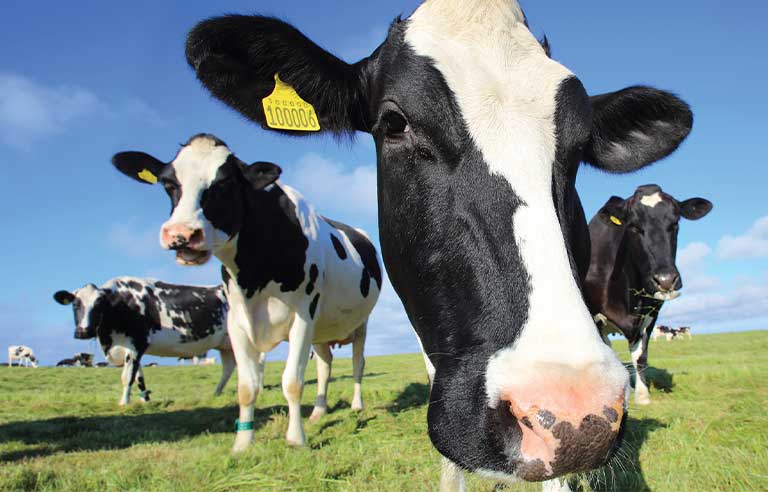
Another reason to be concerned: Some dairy cows in multiple parts of the United States have become infected with the H5N1 virus that causes bird flu.
“Testing of milk from infected cows shows the virus is present in concentrations that have taken scientists by surprise,” the FDA says.
As a result, the FDA is urging people not to drink raw milk.
Here’s how you can help ensure the milk you buy has been pasteurized:
- Read the milk’s label. Safe milk will have the word “pasteurized” on the label, the FDA notes. If the label doesn’t show the word “pasteurized,” that product may contain raw milk.
- Still not sure? You can ask a grocery store worker whether milk has been pasteurized, especially milk or milk products sold in refrigerated cases.
- Skip the farmers market milk. Don’t buy milk or milk products at farmers markets or roadside stands unless you can confirm they’ve been pasteurized.