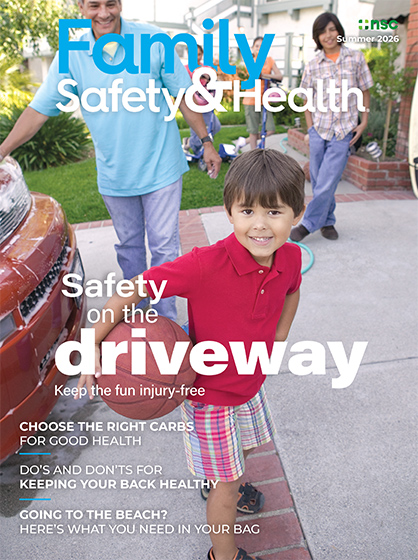
What are your plans for summer? Maybe you want to road-trip to a music festival. Host the perfect block party. Spend time in the water. Or finally master grilling the perfect burger.
Whatever your plans, have you considered how to do each one safely?
We have, and we’ve put together an easy-to-use checklist for you.
Going on a road trip?
Have you …
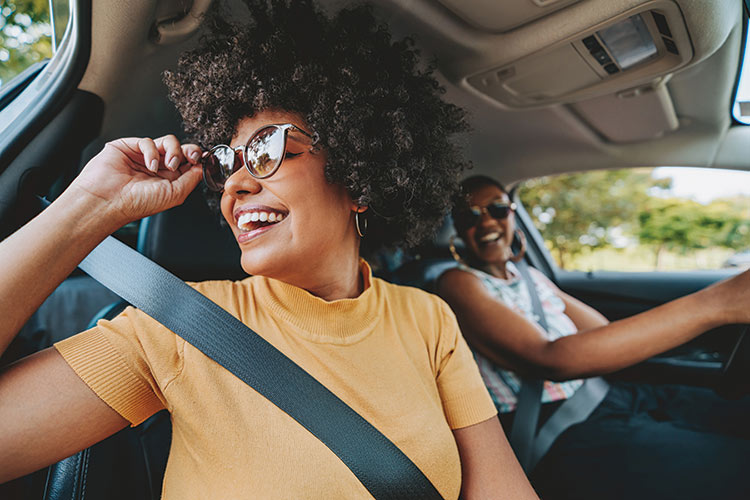
Gotten your vehicle (including tires) checked to make sure it’s safe to hit the road?
Put together an emergency roadside kit? Go to nhtsa.gov/summer-driving-tips to find out everything you should include in your kit.
Checked if your vehicle has an open safety recall? Visit checktoprotect.org to find out. (Recall repairs are free.)
Planned your route? “Don’t rush through your trip; allow plenty of time to get to your destination safely,” the National Highway Traffic Safety Administration says. “And always familiarize yourself with directions and maps before you go, even if you use a GPS, and let others know your route and anticipated arrival time.”
Spending time outside?
Have you …

Hydrated? Make sure to drink plenty of water before, during and after being outside in the heat.
Grabbed your sunglasses? You’ll need them to protect your eyes from the sun’s harmful ultraviolet rays.
Packed bug spray? Applying an insect repellent containing DEET to your skin and clothing will help keep outdoor pests away.
Planned for sun protection? In addition to sunscreen, lightweight long-sleeved shirts, pants and a wide-brimmed hat all will help.
Checked to see if your prescription medications increase your sensitivity to the sun? “It’s possible to develop a severe sunburn in just minutes when taking certain medicines,” Johns Hopkins Medicine says. “Read medicine labels carefully and use extra sunscreen as needed.”
Setting up camp?
Have you …
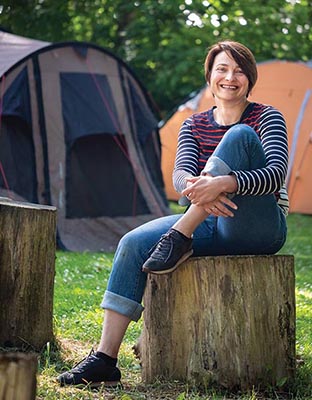
Visited the website of the camping area where you plan to stay? The National Park Service website, state parks department websites and individual parks’ social media pages have up-to-date information on offerings, closures and restrictions.
Researched what the area’s weather will be while you’re there? Check the forecast so you can pack adequate clothing, food and water, and other supplies.
Asked a family member or friend to be your emergency contact? Don’t forget to send them your itinerary.
Learned the basics of starting, maintaining and extinguishing a campfire?
Purchased airtight containers for food? They’ll help keep wildlife away from your campsite.
Getting your grill on?
Have you …
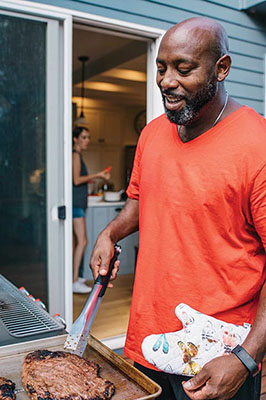
Grabbed separate plates for cooked and uncooked food? This will help you avoid cross-contamination. The U.S. Department of Agriculture also suggests using two utensils: one for handling raw food and the other for removing cooked food.
Gotten a food thermometer so you can check the internal temperature of the meat you’re cooking? Use the USDA’s Safe Minimum Internal Temperature Chart to guide you.
Placed the grill in a well-ventilated outdoor area? To reduce the risk of a house fire, the Hearth, Patio and Barbecue Association says to keep your grill away from walls, eaves, deck railings and overhanging branches.
Created a 3-foot “safety zone” around the grill? Explain to kids that they’re not allowed to enter that zone.
Spending the day at an amusement park?
Have you …

Put on sunscreen? Do this 30 minutes before you arrive, and then every two hours after.
Made a plan in case anyone gets separated from your group? Choose a conspicuous, easy-to-find meeting place.
Taken a picture of your group and each individual before entering the park? If anyone gets lost, you’ll be able to show security or park personnel what the person looks like and what they’re wearing.
Ensured kids know the names and phone numbers of the adults looking after them? Here’s a tip to try: Write your phone number on your child’s arm under a sleeve, and then cover it with waterproof liquid bandage to create a “tattoo.”
Checked that everyone is tall enough to go on a ride? Trying to skirt a ride’s rules might be tempting, especially if your child is almost the right height or age. But if kids are too small, the ride’s safety system might not be able to offer needed protection, warns Saferparks, a public service organization.
Doing yard work?
Have you …
Called 811 if you plan to dig? It’s important to do this a few days ahead of time to avoid striking underground utility lines. Typically, within a few days of your call to 811, a crew will come to your home. They’ll ask where you plan to dig, and then mark the approximate location of buried utilities so you can avoid danger spots.
Checked the time? It’s best to avoid yard work during the hottest part of the day (typically between 10 a.m. and 2 p.m.). Early morning or late afternoon is better.
Chosen a long-sleeved shirt, long pants and a large-brimmed hat? This’ll help protect you from both the sun and insects, including ticks and mosquitoes.
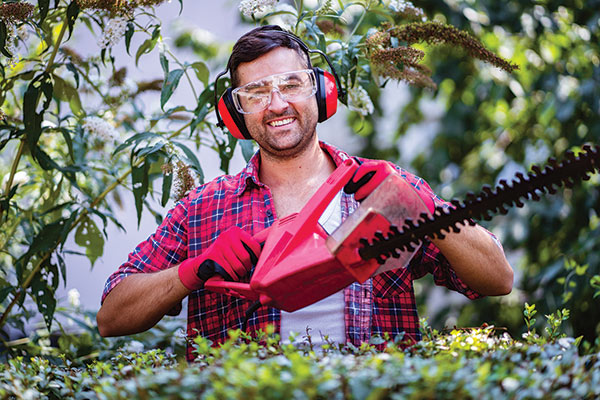
Put on safety gear? If you’re mowing the lawn or operating any other power tools, play it safe by wearing hearing protection, safety glasses and closed-toe shoes.
Exercising outdoors?
Have you …
Packed a water bottle? You need to stay hydrated when you’re out in the heat.
Adjusted the intensity of your workout if it’s going to be a very hot day?
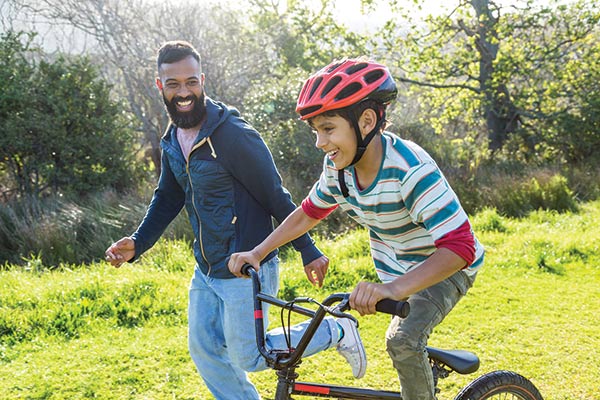
Put on the proper safety gear for your chosen activity? Maybe that’s a bike helmet, or a high-visibility shirt or reflective armband.
Planning on pool time?
Have you …
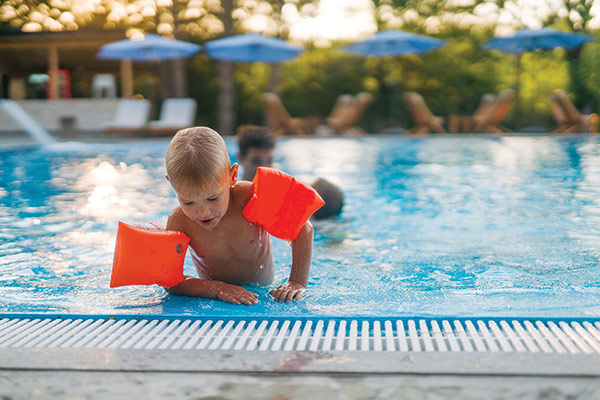
Picked a person to be the water watcher? This person keeps a close eye on all swimmers and should be ready to jump into action if an emergency occurs. If you’re going to a public pool, check that a lifeguard is on duty.
Made sure everyone has put on a sunscreen with a sun protection factor of at least 30? And don’t forget protective lip balm!
Packed swim goggles, water wings and swim vests?
Reminded kids to not dive into shallow water?
Heading to the beach?
Have you …
Checked that a lifeguard is on duty?
Put on sunscreen with an SPF of 30 or higher? Don’t forget to reapply it every two hours.
Taught your group about rip currents? “If caught in a rip current, swim parallel to the shore until clear of the current,” Johns Hopkins Medicine says. “Never swim against the current.”
Packed a beach umbrella? Sand reflects the sun’s UV rays, so it’s good to have a shaded area to take breaks.
Taking your kid to camp?
Have you …

Found out how the staff is trained to respond to emergencies? “Many camps have camp nurses, but no physicians,” according to HealthyChildren.org. “Some camps don’t even have camp nurses due to their size, and only first aid trained staff members.”
Informed the camp’s staff of your child’s special health care needs? “If your child has a condition such as asthma, food allergies or other special needs, have special emergency action plans,” HealthyChildren.org advises. “Keep the camp informed in the same way you keep your child’s school informed.”
Dressed your kids in light-colored, lightweight and loose clothing? This will help keep them cooler.
Packed a water bottle to help them stay hydrated?
Organizing a block party?
Have you …

Applied for a street closure permit and picked up barriers to block off your street?
Provided hand sanitizer in multiple locations?
Stocked a first aid kit to keep out at the party?
Rented a bounce house? Always follow the instructions that come with inflatables for safe setup and operation. Windy outside? Put your bounce house plans on hold. And make sure a responsible (and assertive) adult is monitoring the jumpers inside.
Wrapped up food that has been sitting out for two hours (or one hour if the air temperature is higher than 90° F)?
Going on a boat ride?
Have you …
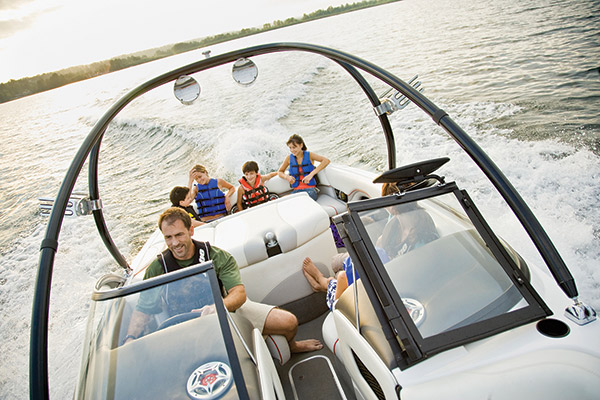
Ensured there are enough life jackets for everyone on board and that they fit?
Designated a sober driver?
Studied your state’s boating regulations and laws?
Checked the weather forecast? Even if the sun is shining when you set out, conditions can change.
Learned the boat operator’s “rules of the road” for safe speeds, crossing and overtaking?