

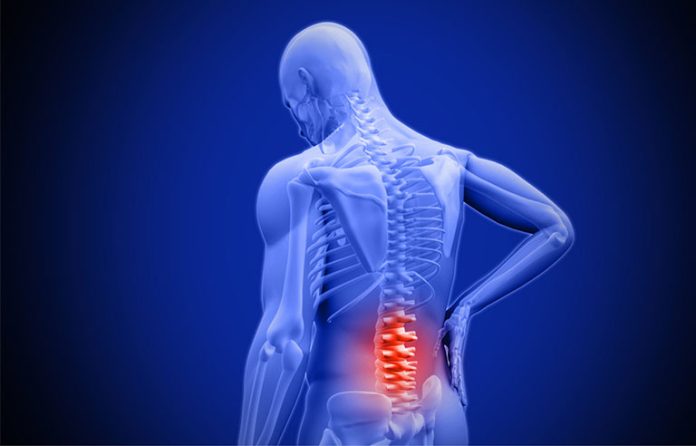
Sydney — A combination of physical therapy and psychological interventions is most effective for treating people with chronic lower back pain, results of a recent study suggest.
Researchers from Australia and Canada say chronic lower back pain – meaning it lasts 12 weeks or more – can lead to psychological effects, including depression, anxiety and stress.
To identify the best options for treatment, they reviewed data from 97 randomized and controlled trials published between 2011 and 2012 that featured more than 13,000 participants and 17 interventions.
The researchers found that, compared with physical therapy alone, a combination of physical therapy, talk therapy (or cognitive behavioral therapy) and pain education “led to clinically important improvements in physical function” up to two months after treatment began.
Behavioral therapy and physical therapy together helped with pain intensity up to 12 months into treatment. The addition of pain education helped with physical function up to six months into treatment. A combination of talk therapy and physical therapy helped with fear avoidance up to two months after treatment.
The “most sustainable effects” for fear avoidance – defined as avoiding movement out of fear of pain – were achieved with a combination of pain education and physical therapy.
“For people with chronic, non-specific low back pain, psychological interventions are most effective when delivered in conjunction with physiotherapy care (mainly structured exercise),” the researchers write. “Pain education programs and behavioral therapy result in the most sustainable effects of treatment; however, uncertainty remains as to their long-term effectiveness.”
They add that their findings can be used to “inform clearer guideline recommendations regarding the use of specific psychological interventions for managing chronic, non-specific low back pain and support decision making for patients and clinicians.”
The study was published online in the journal BMJ.

