

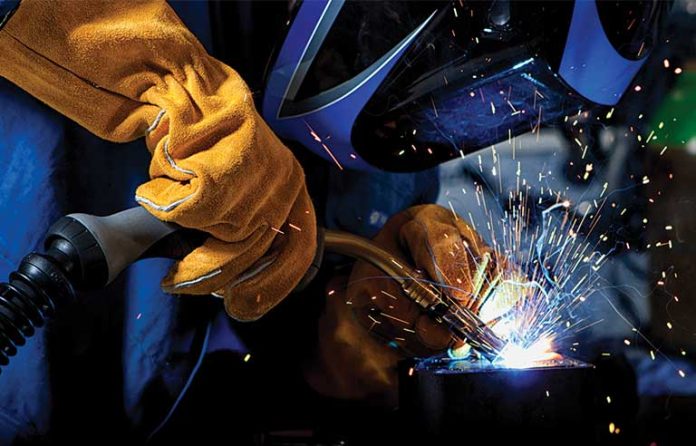
Burning, welding, cutting, brazing, soldering, grinding, using fire- or spark-producing tools, or other work that produces a source of ignition – these are all examples of hot work.
Employers need to create a program to ensure hot work is performed safely. Here’s what OSHA says an effective program looks like:
- Before issuing a hot work permit (which should be prepared in advance of work beginning), a job hazard assessment needs to be conducted. That includes getting input from workers knowledgeable of the potential dangers.
- Before work begins, implement controls to eliminate identified hazards.
- If hazards develop during work operations, routine monitoring must be conducted to ensure these hazards don’t pose a risk to workers.
- If the hazards can’t be mitigated, operations must be stopped and the elimination of hazards verified before hot work begins.
- Share with all workers relevant information about ongoing operations that could create hazardous conditions.
- Workers familiar with the hot work process should be available to assist specialty subcontractors to ensure safe working conditions.

