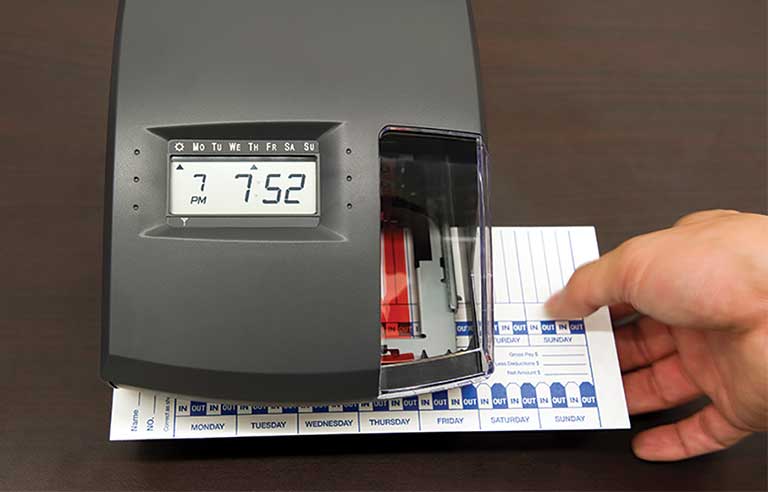
For employees who work rotating or night shifts, remaining alert can be especially challenging when the body’s circadian clock is compromised – that is, the body is active when it believes it should be resting.
Numerous guidelines and resources exist to help combat on-the-job fatigue. The National Sleep Foundation suggests that shift workers try these measures:
- Take a walk before shifts start – ideally in daylight, which is a natural stimulant.
- Drink caffeinated beverages such as coffee and soda during the first half of the shift, but avoid them for several hours before sleeping.
- Take short breaks to move around when possible.
NIOSH directs shift work employers to:
- Set at least 10 consecutive hours of protected off-duty time each day. This is intended to help workers sleep seven to eight hours each day.
- Provide brief breaks every one to two hours during demanding work, and allow for longer meal breaks.
- Acknowledge that five eight-hour shifts or four 10-hour shifts typically are tolerable. If 12-hour days are required, include more frequent breaks or trend toward “lighter” tasks, such as desk work.
- Educate employees on the nature of shift work and resources available.