
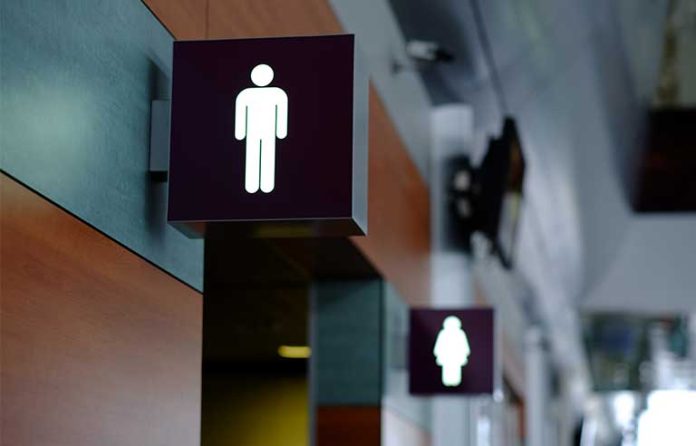
Adelaide, Australia — Open toilet lids, defective plumbing drains and uncovered trash cans may increase the risk of bacterial and viral disease transmission in public restrooms, according to a recent research review.
Researchers from the University of South Australia and Australian National University reviewed 38 studies from 13 countries that investigated infectious disease transmission in public restrooms, including those in restaurants, workplaces, and commercial and academic settings.
Findings show that disease transmission via bioaerosols can occur in multistory buildings with defective plumbing. Additionally, leaving toilet lids open after flushing can disperse contaminated droplets more than 3 feet, while trash cans left uncovered can lead to disease transmission – especially if they’re placed under or near to an electric hand dryer.
Heavy bacterial and viral loads in public restrooms also result from ineffective handwashing or hand drying, clogged drains, and poor surface cleaning, according to the researchers, who identified various intestinal, skin and soil bacteria that posed transmission risks.
The review, however, found no evidence of airborne transmission of SARS-CoV-2 – the virus that causes COVID-19 – in public restrooms. In a press release, study co-author and UniSA professor Erica Donner notes that although some people have avoided public restrooms during the pandemic, simple precautions can make a big difference.
“If you minimize your time in the bathroom; wash and dry your hands properly; and don’t use your mobile phone, eat or drink, then the risks should be low, especially if the bathroom is well maintained,” Donner said.
The study was published online in the journal Science of the Total Environment.

