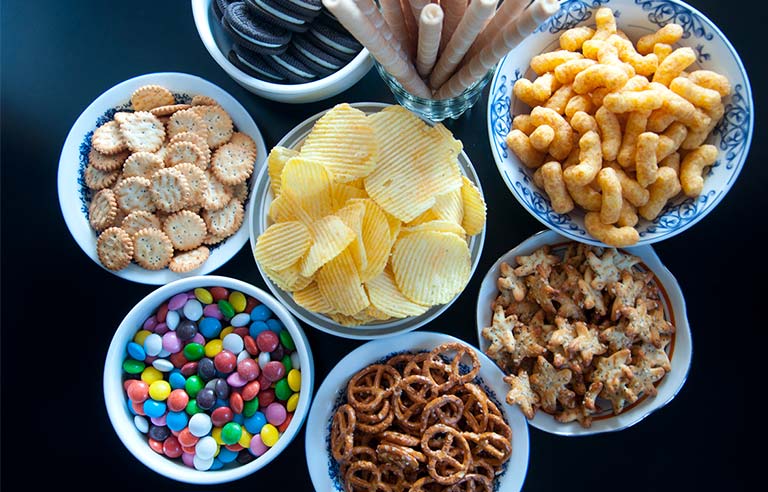
A diet made up of mostly ultraprocessed foods – such as soda, sugary and salty snacks, and deli meats – may lead to increased inflammation in the body and a higher risk of cardiovascular disease, results of a recent study suggest.
Using data from a nationally representative sample of nearly 9,300 adults, researchers looked for a link between ultraprocessed food intake and levels of a certain protein that serves as a marker of inflammation and a strong predictor of cardiovascular disease. Participants were place into one of four groups based on the percentage of their total caloric intake from ultraprocessed foods.
The participants consumed a median of 35% of their daily calories from ultraprocessed food, ranging from 0% to 19% in the lowest group to 60% to 79% in the highest.
After accounting for factors such as age, gender, smoking, physical activity and other health indicators, the researchers found that the participants in the highest intake group had an 11% higher likelihood of elevated levels of high-sensitivity C-reactive protein compared with those in the lowest intake group. Even moderate consumers (40% to 59%) showed a 14% increase in likelihood.
The researchers say “a simple, affordable” test for C-reactive protein could reliably predict cardiovascular disease.
“We believe that health care professionals may wish to consider actively engaging with their patients about the risks of ultraprocessed foods and benefits of increasing whole food consumption,” said study co-author Charles Hennekens, a professor and academic advisor at Florida Atlantic University.
The study published in The American Journal of Medicine.