

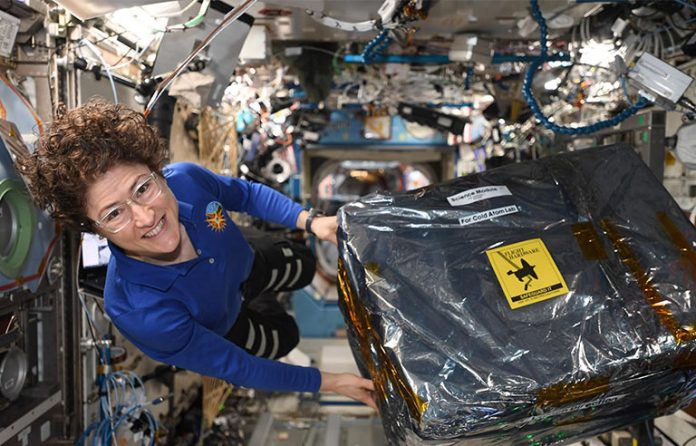
College Station, TX — The vast majority of astronauts on the International Space Station battle sinus problems and congestion, which can compromise sleep quality and decision-making, a recent study shows.
Researchers from Texas A&M University’s School of Engineering Medicine and the Department of Otolaryngology – Head and Neck Surgery at Houston Methodist Hospital examined medical records of ISS astronauts from 2000 to 2019. The records covered 71 crew members over about 34 years of cumulative time.
Findings show that around 85% of the astronauts experienced medical events involving their sinuses or nasal cavity, with 75% dealing with nasal congestion.
In a press release, Faizaan Khan, lead study author and Texas A&M student in engineering medicine, said the sinonasal issues that astronauts face “really impacts their quality of life.”
Commonly, the effects of microgravity shift fluid that on Earth typically pools in the legs toward the head, Khan explained. This may lead to pressure and swelling in the sinuses that prompts symptoms such as headaches, congestion, fatigue and disrupted sleep.
“When you’re sending people on one of mankind’s most expensive projects like the ISS to do vital research, every moment is precious,” Khan said in the release. “We want to make sure they’re in good health and they don’t have things impacting their sleep or day-to-day living.”
The study was published in the journal Laryngoscope Investigative Otolaryngology.

