

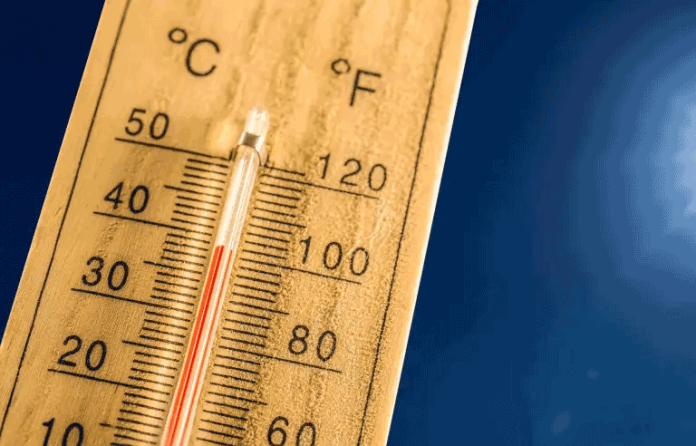
Waltham, MA — Three-quarters of heat-related workers’ compensation claims in the United States are submitted between June and August, and 90% involve temperatures above 90° F, according to a nonprofit research organization.
Those numbers are likely to climb amid rising temperature trends, says Vennela Thumula, senior policy analyst at the Workers Compensation Research Institute. During a recent webinar on heat-related illnesses in the workplace, Thumula shared findings from a recent WCRI study.
In 2023, numerous counties in the South and West experienced more than 100 days with temperatures at or above 90° F. Between 2040 and 2050, Thumula said the Southeast could see an additional 40 days with temperatures that high.
WCRI examined 2013-2022 claims from 31 states and found an annual average of 210 heat-related illnesses per 100,000 claims. During the summer months, claims reached nearly 800 a month.
Around 20% of heat-related illness claims came from the construction industry. Together with construction, manufacturing and transportation/utilities accounted for more than half of all heat-related illness claims.
Public safety workers (police and firefighters) had the highest claims rate, with more than 1,000 per 100,000 claims.
Other findings:
- Heat-related illnesses most often occurred among younger men and workers on the job for two or fewer months.
- Compared with days when the high temperature was between 75-80° F, the number of illnesses was seven times higher when the high temp was 90-95° F and 18 times higher when it was 100° F or hotter.
- Southern states had a claims rate three times higher than those in the Northeast.
- Louisiana and Arkansas, the top two states, each had a claims rate 10 times higher than the lowest two states, New York and Massachusetts.
According to NASA scientists, 2024 featured the warmest average Earth surface temperature since records were first kept in 1880.
The Bureau of Labor Statistics states that nearly 33,900 heat-related injuries resulted in at least one day away from work and 479 work-related heat deaths occurred between 2011 and 2022.
Thumula said the BLS numbers are widely considered to be underestimated, and that “heat illnesses and deaths are likely to increase as temperatures continue to rise.”

