Sepsis is “the body’s extreme response to an infection,” the Centers for Disease Control and Prevention says. It’s a life-threatening condition.
Each year, at least 1.7 million U.S. adults develop sepsis. It occurs when an infection that the body is already fighting sets off a “chain reaction” of inflammation in the bloodstream.
“Infections that lead to sepsis most often start in the gastrointestinal tract, lungs, skin or urinary tract,” the CDC says. It can happen after a surgical procedure, from an abscessed tooth or even from a cut in your skin.
- Advertisement -
Symptoms of sepsis include:
- Clammy or sweaty skin
- Confusion or disorientation
- Extreme pain or discomfort
- Fever
- High heart rate or weak pulse
- Shortness of breath
Without immediate treatment, sepsis can damage your body’s tissues and lead to organ failure – and even death.
The good news: The CDC says you can help prevent infection.
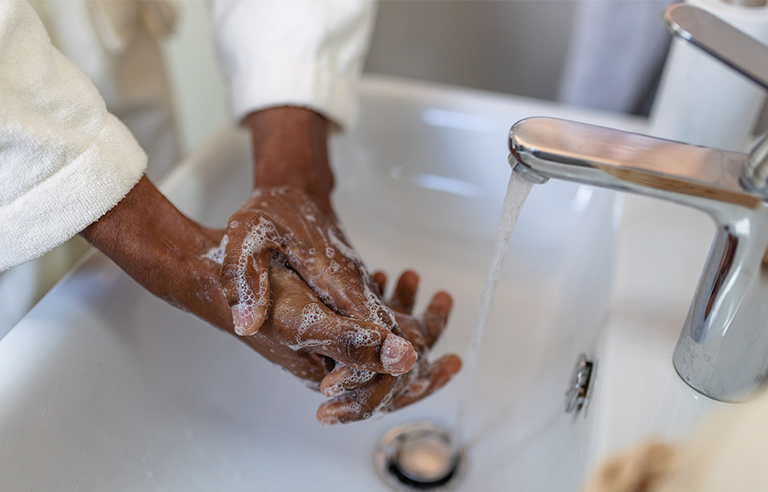
- Keep your hands clean – and cover cuts and wounds until they’re healed.
- Use a soft toothbrush to clean your teeth and gums.
- Wash raw fruits and vegetables carefully before eating them.
- Make sure meats and eggs are thoroughly cooked to kill germs.
- Don’t share food, drink cups, utensils or other personal items with others.
- Wear gloves when cleaning up after your pet and wash your hands when you’re done.
- Shower daily.
- Apply lotion to your skin to prevent it from becoming dry and cracked.
- Avoid contact with people who are sick.
- Keep all household surfaces clean.