Did you know that children 6 and younger are most susceptible to the effects of lead – and that kids’ bodies absorb more lead than adults?
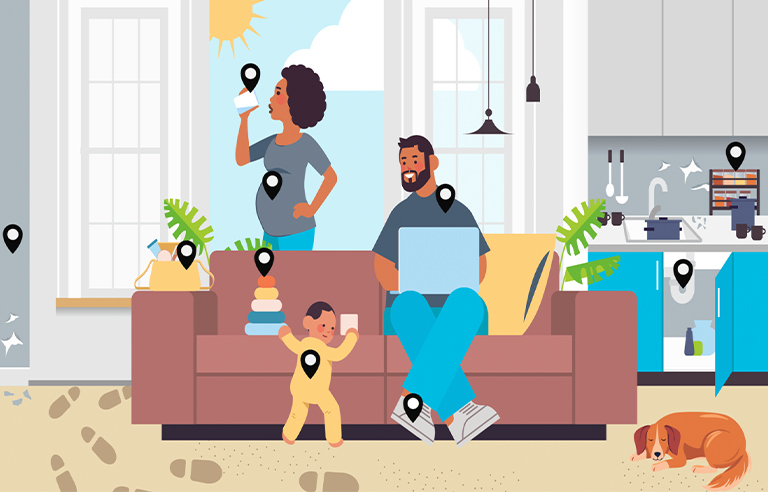
The toxic metal can be found in many places around the home, including toys, furniture, and food or beverage containers. It can lead to brain and nervous system damage, as well as other conditions.
To help spread awareness, the Environmental Protection Agency has created a new, interactive StoryMap and an updated website that have information and tips on how to limit lead exposure.
The EPA says lead can’t be seen, tasted or smelled, which means it can go undetected in drinking water, food, paint or soil around the home.
To lower chances of exposure to lead, the agency recommends:
- Washing kids’ hands, bottles, pacifiers and toys frequently.
- Teaching kids to remove their shoes and wash their hands after playing outside.
- Providing well-balanced meals, as kids with healthy diets high in calcium, iron and vitamin C absorb less lead.
- Making sure your child isn’t chewing on anything that may be covered with lead-based paint.
- Asking your local municipality for a copy of the annual water quality report and flushing the pipes in your home before drinking water.
“These new, easy-to-use tools for American families are part of EPA’s broader leadership to protect children’s health and make progress in reducing lead exposures and lead-related health risks,” said David Fotouhi, deputy administrator of the agency.