

Responding is Timothy Papenfuss, product implementation coordinator, RescueStat, Boise, ID.
When it comes to saving lives, assumptions aren’t enough. Approximately 356,000 out-of-hospital sudden cardiac arrests occur every year, resulting in a striking 90% fatality rate without treatment, according to a 2022 study published in the journal Circulation. This number is made more tragic by the success rate of treatment. When CPR is performed by trained responders and a working AED is provided, the SCA survival rate increases to as much as 90% from 10%, the Cleveland Clinic says, and decreases by 10% for every minute treatment is delayed.
Successful AED programs equal more than the sum of their parts. Here’s what we recommend when building an AED program:
Purchase enough AEDs for the facility. When determining the number of AEDs needed for any building, the American Heart Association recommends as many AEDs as needed to arrive within three minutes at any location in the facility. Additionally, there should be one AED per floor in a multistory building.
Physician oversight. Physicians can write AED prescriptions as required by the Food and Drug Administration. They also can provide event reviews to show an AED worked as intended and as described during an emergency. Event reviews are essential in the case of litigation resulting from AED use by affirming that correct procedures were followed during attempted resuscitation.
Regular maintenance inspections. Maintenance inspections keep AEDs ready for use. AEDs perform self-tests daily or weekly depending on the model. If an AED detects an issue during these self-tests, such as expired pads/batteries or faulty electronics, it will visually and audibly indicate an error. At a bare minimum, AEDs should be inspected per the user manual, typically monthly. Industry professionals recommend performing inspections more frequently and recording these inspections in case of audit.
AED/CPR training performed by a licensed trainer. The best practice is to receive training from a professional organization. There should be at least two trained responders during all operating hours. Training helps reduce response time and increases accuracy of the response, according to the latest guidelines.
Understanding and following specific AED laws in your state. Most AED regulations are made on the state level. There may be more requirements in your state for keeping AEDs, and adhering to them is important for litigation protection.
Create internal regulations and an emergency plan. Having a strong understanding of best practices in case of an emergency allows you to adapt them to the context of your work environment. Creating an emergency plan from the steps above and ensuring employees are aware of the plan will help eliminate any hesitancy during an event.
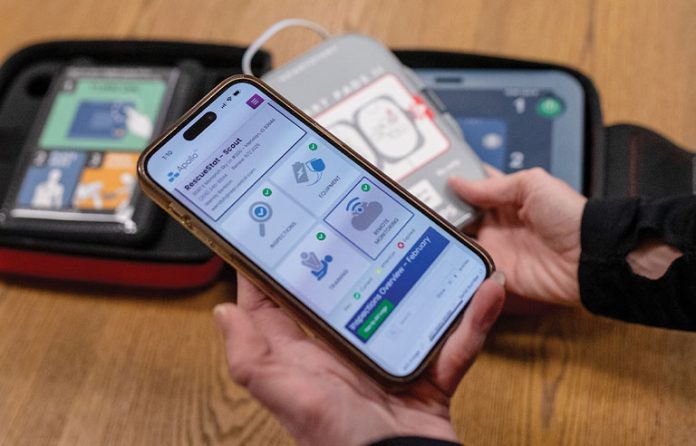
Historically, AED programs have included manual maintenance checks, in-person CPR training and internal recordkeeping. Although these steps are important in maintaining preparedness, innovations in emergency readiness technologies have been making programs more efficient and wider reaching. Some of these innovations include:
- Remote monitoring, either as a peripheral device or built into the AED itself. This allows for real-time monitoring of AED statuses.
- Online or hybrid AED/CPR courses allow more people to train as first responders, boosting the chances that someone nearby will be ready to act in an emergency.
- Online management programs housing AED records enable users to have greater visibility of their AED statuses and records while preventing information loss during turnover.
Getting an AED may be the first step, but it shouldn’t be the last. When everyone is prepared to save lives, it happens. Are you ready?
Editor’s note: This article represents the independent views of the author and should not be considered a National Safety Council endorsement.

