

Responding is Matt Lincoln, CEO, Safety Services Co., Tempe, AZ.
What if workplace safety training was as easy as sending a text message? For many industries, mobile accessibility is finally making that idea a reality – and not a moment too soon.
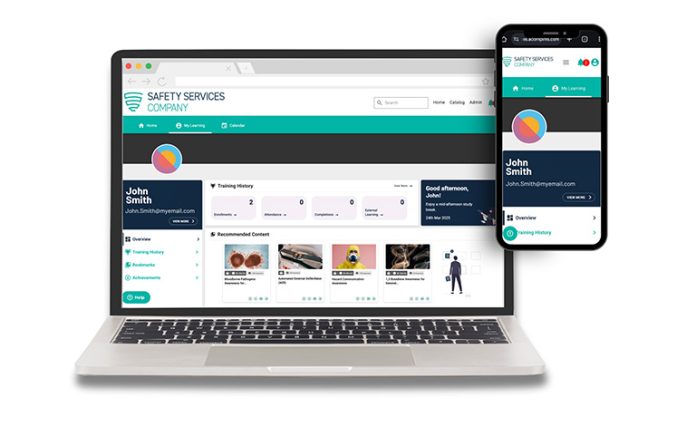
Mobile accessibility plays a vital role in ensuring workplace safety training is completed on time and retained effectively. Traditional training methods can feel like an uphill battle when your workforce is constantly on the move, whether at jobsites, on long hauls or in remote areas. Delays, scheduling conflicts and limited access to training materials often leave teams playing catch-up. But mobile accessibility removes these barriers, simplifying both the process and the impact of training.
Keeping safety timely
Safety training on time is nonnegotiable. Miss the window and you’re not only risking compliance violations, you’re putting people in harm’s way. Mobile tools such as smartphones or tablets allow workers to complete mandatory training on their time, whether it’s during a short break, at home or after their shift. By stripping away the hurdles, mobile-friendly platforms help keep schedules intact and operations moving smoothly.
Timely training isn’t just about checking boxes; it’s about ensuring everyone’s safety – and mobile technology makes it seamless.
Training that sticks
Safety protocols work only when people remember to apply them. That’s where mobile platforms excel. Mobile-based training engages workers on their terms by delivering learning in bite-sized chunks that employees can revisit whenever they need. Revisiting key concepts reinforces understanding and ensures teams are prepared to handle high-pressure situations on the job.
This isn’t just convenience; it’s a smarter, more cohesive way to build competency across your team. By offering a flexible, accessible training experience, you’re catering to different learning styles, work environments and skill levels, ensuring every employee gets the knowledge they need in a way that works best for them.
Respecting your team’s time
There’s a bigger message behind offering mobile access to training. It says, “We value the work you do and want to make safety as easy as possible for you.” That intentionality fosters a culture where safety is prioritized not out of obligation, but because employees know it’s an investment in their well-being.
Imagine the difference between feeling burdened by training and feeling empowered to engage with it. Mobile accessibility makes that cultural shift happen.
Accessibility is the way forward
Mobile accessibility in safety training is more than just a tech upgrade; it’s a necessity in modern workplaces. As technology and workforce expectations evolve, adapting training to meet employees where they are – geographically or in their workday – ensures your approach stays relevant. You’re not only overcoming logistical challenges, you’re future-proofing your safety culture. Above all, you’re making safety second nature, empowering your team to do its best work.
The future of workplace safety demands that we make training easier, smarter and more inclusive. Because empowering people to succeed starts with meeting them where they are.
Editor’s note: This article represents the independent views of the author and should not be considered a National Safety Council endorsement.

