Ultraprocessed foods account for more than half of the calories U.S. adults consume at home, results of a recent study indicate.
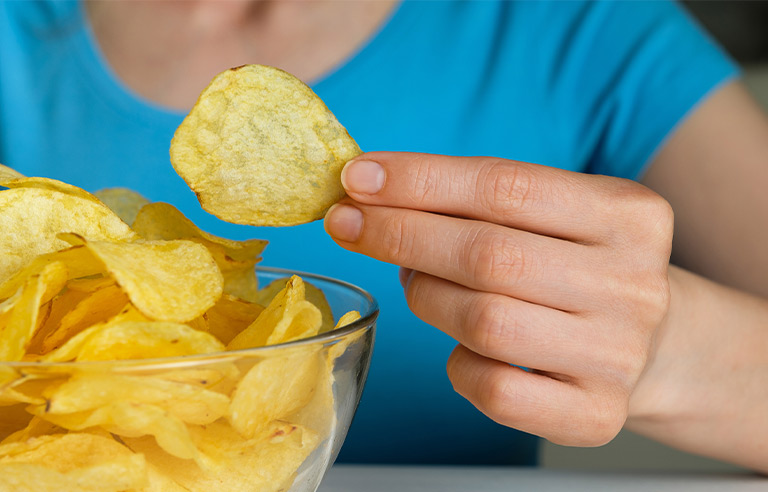
Ultraprocessed foods contain substances that have little or no nutritional value, such as colorings, emulsifiers, artificial flavors and sweeteners. Eating large amounts of these foods, including chips, hot dogs and prepackaged meals, has been linked to obesity, cardiovascular disease and colorectal cancer.
For their study, researchers at the Johns Hopkins University Bloomberg School of Public Health looked at 2003-2018 data from more than 34,000 adult respondents to the National Health and Nutrition Examination Survey. They compared the intake of ultraprocessed foods with the intake of minimally processed foods such as fruits, vegetables and frozen/freeze-dried foods without added salt or other ingredients.
They found that ultraprocessed food consumption rose to 54% in 2018 from 51% in 2003. Meanwhile, total calories consumed from minimally processed foods dropped to 28.5% from 33.2%.
The researchers acknowledge that ultraprocessed foods are often less expensive, more available and faster to prepare than minimally processed foods such as fresh vegetables, meat and fish.
“We need strategies to help people choose less processed foods and avoid unhealthy ultraprocessed foods for foods purchased for both at-home and away-from-home consumption,” said lead study author Julia Wolfson, an associate professor at Johns Hopkins. “Additionally, strong nutrition labels warning of high ultraprocessed food content may be warranted.”
The study was published in the Journal of Nutrition.