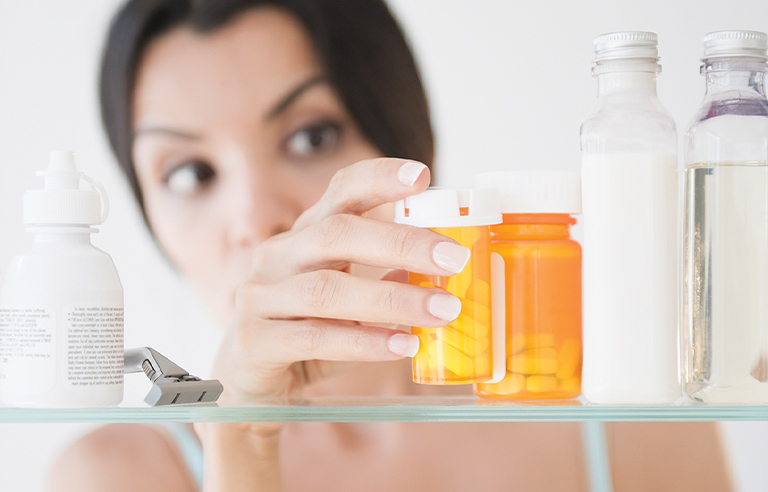
A muscle relaxer or strong pain reliever for a friend who’s hurting. A sedative for a family member who gets nervous on airplanes.
Offering your prescription medications to other people may be well-meaning – but it’s a bad idea.
Prescription meds are “tailored to an individual’s medical history, other medications, allergies and physical characteristics,” said Claire Bryant, a senior program manager at the National Safety Council.
That means if someone takes medications meant for you, they can experience serious side effects, including allergic reactions and interactions with one of their own prescriptions.
“What’s safe and effective for one person may be ineffective or dangerous for another,” Bryant added.
What pharmacists do
Part of a pharmacist’s responsibilities, according to the American Pharmacists Association, is to look closely at all of a patient’s medications to make sure they can be taken together without problems.
To do this, the association says, pharmacists are guided by a checklist of five “rights”:
- The right patient
- The right drug
- The right dose
- The right route (oral, topical, etc.)
- The right time
A person’s age, weight, ethnicity, existing health conditions and allergies are all taken into account before a pharmacist will dispense a medication.
“Even diet or alcohol use can change how a drug is processed in the body,” Bryant said.
So, when you share your medication or take something that hasn’t been prescribed to you, you’re bypassing all these safety checks – and taking a big risk.
What can happen
In some cases, medication sharing can result in an upset stomach, dizziness, headache or skin rash, experts say. In other cases, the results are much more serious – even deadly.
Sharing opioid pain medications, which Bryant calls “a particularly high-risk category,” can lead to misuse, substance use disorders and unintentional overdose.
“People often believe that prescription medications are safer than illicit drugs simply because they come from a pharmacy,” she added. “Even a single opioid dose that’s too high; taken too close together; or combined with alcohol, benzodiazepines or other drugs can slow breathing to dangerous levels.”
And then there’s this: Medication sharing can be a crime.
Sharing certain controlled substances (including opioids) is illegal under the Controlled Substances Act. It doesn’t matter if your intentions were good – you could face fines, prison time and a permanent criminal record, the U.S. Drug Enforcement Agency says.
Who’s most at risk?
Anyone can find themselves in a bad situation after taking a medication not prescribed for them. However, kids and older adults are at even higher risk, Bryant cautions.
“Children are vulnerable due to differences in dosing and developing body systems, while older adults often take multiple medications and may have reduced kidney or liver function, increasing the risk of side effects,” she added.
At the end of the day, Bryant said, “no amount of convenience or good intention outweighs the importance of safe, individualized medical care.”