

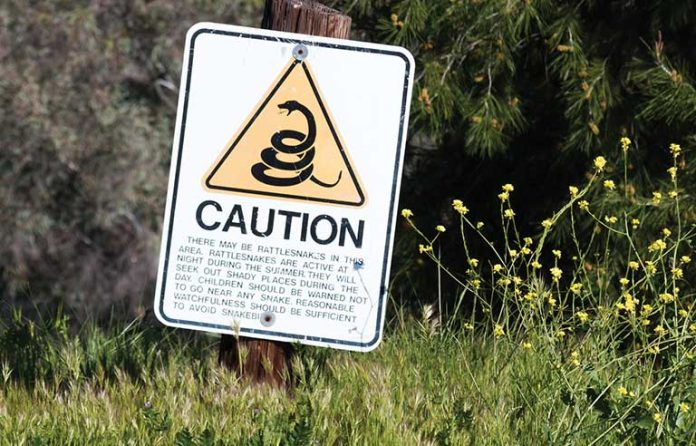
If you work outdoors, especially on jobsites that are new to you, biologist Stephanie Pendergrass has some advice: Do your research on the local plants and animals.
“Contact the local forest service office, local university biology or botany department, city parks department and/or the county agriculture extension office,” said Pendergrass, of the NIOSH Division of Science Integration.
Last year, the nation’s 55 poison control centers fielded nearly 2.1 million calls, according to Julie Weber, director of the Missouri Poison Center and chair of the American Association of Poison Control Centers’ board of directors. Many involved encounters with poisonous plants and venomous animals – common summertime hazards that anyone who works outdoors should be aware of.
Poisonous plants
When it comes to poisonous plants, encounters with poison ivy, poison oak and poison sumac generate the most calls to the nation’s poison control centers. Others include stinging nettle, giant hogweed and hemlock.
“If it’s an irritant on the skin, you can start out with a red, itchy rash,” Weber said of the symptoms workers may experience when coming in contact with these plants. “But it can progress to blistering and swelling and more irritation.”
In addition, lung irritation can occur when smoke from burning plants is inhaled. Workers at risk include those in agriculture, forestry, landscaping and groundskeeping, and construction, as well as painters, roofers and others who spend time outdoors.
Pendergrass recommends that employers have cleaning supplies onsite, including soap and water, alcohol disinfectants, and hand wipes. Anyone with known allergies should be provided personal protective equipment, assigned to other duties with less exposure risk, or provided quicker response to exposures and access to treatment, she added.
NIOSH has a webpage about poisonous plants, and the U.S. Department of Agriculture’s online resource features a searchable list of invasive and noxious plants by state or name.
Among the most common:
Poison ivy, oak and sumac: Around 85% of people exposed to these plants will develop an allergy, OSHA says. These plants, which contain poisonous sap in their roots, leaves and stems, can cause lung irritation if burned and the smoke is inhaled.
Poison ivy and oak, NIOSH notes, can be easily identified by their three green leaves from one stem. Remember: “Leaves of three, let it be.” In some cases, poison oak can have up to five leaves. Meanwhile, poison sumac is a woody shrub that has seven to 13 leaves, often arranged in pairs.
Stinging nettle: Also known as wood nettle, this plant can irritate the skin with its stinging hairs. This makes gloves and long-sleeved shirts a must. Its leaves and stems contain irritants, says the Missouri Department of Conservation, which adds that the leaves have coarse edges.
Giant hogweed: When the toxic sap of this plant comes in contact with a worker’s skin and then is exposed to sunlight, it can cause severe skin inflammation known as phytophotodermatitis. This reaction can begin as soon as 15 minutes after contact, the New York State Department of Environmental Conservation says.
Cutting brush can cause the sap to splatter as the plant’s stems are cut. In some cases, these plants – which can grow more than 12 feet tall, feature stalks with dark purple blotches and produce numerous white flowers – can cause permanent blindness if their sap gets into your eyes. Wear eye protection.
Hemlock: Featuring white flowers in umbrella-shaped clusters, this plant’s leaves resemble those of a fern, the National Park Service says. It can grow up to 10 feet high and has a musty odor. The plant’s toxicity can affect people’s nervous system and cause tremors, paralysis and breathing difficulties. Muscle damage and kidney failure may occur in severe cases.
Continued on page 2: Snakes and insects
Page 2 of 2
Snakes
Animals are often referred to as poisonous or venomous, and sometimes both.
“The words are often used interchangeably, but they’re not really interchangeable,” said Erin Kendall, the school programs coordinator at the Colorado Department of Parks and Wildlife. “But they both relate to animals that have some type of toxin.”
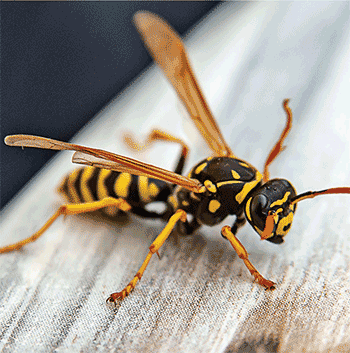
Venomous animals, such as rattlesnakes and wasps, inject toxins into a person’s bloodstream via a bite or a sting. With poisonous animals, the toxin is ingested.
According to NPS, ingesting a toxin can take place by inhaling, swallowing or absorbing it through the skin.
Certain physical signs often can help distinguish which snakes are venomous, said Kendall, who teaches snake safety. But this has limitations.
“You may have heard, ‘You can tell an animal’s venomous because it will have a diamond-, spade- or triangle-shaped head, or it will have elliptical pupils.’ But there are so many exceptions that I can’t give a blanket rule for the U.S.”
So, what advice does Kendall have for avoiding snakebites?
“Just give them space. It’s really a matter of, ‘OK, I see a snake. I don’t really know what it is. I’m going to give it a little space so it knows that it can slither away if it needs to and I’m not a threat.’”
NIOSH identifies the four types of venomous snakes in the United States as cottonmouths/water moccasins, copperheads, coral snakes and rattlesnakes.
Workers can protect themselves by wearing boots, long pants and snake gaiters – a product that offers leg protection from the top of the foot to just below the knee.
Creepy-crawlies
With any bite or sting, workers should be aware that swelling is likely to occur.
“We can never go wrong washing with soap and water and removing any type of constricting items” such as jewelry, Weber said.
Common critters that bite or sting include:
Spiders: The black widow and the brown recluse are the two types of potentially deadly spiders found in the United States. Both can bite and inject toxic venom.
A black widow bite features two puncture marks in the skin, and the venom can cause pain in the bite area that can spread to the chest, abdomen or the entire body.
Black widows, identifiable by a red hourglass pattern on the underside of their abdomen, are known to build webs between objects, with which workers can come in contact.
Meanwhile, the area of a brown recluse bite can develop into a small white blister, then cause a severe lesion that requires immediate medical attention.
“Fortunately, both of these spider species tend to be very reclusive,” Kendall said. “They tend to isolate themselves.”
Watch out for these spiders in and around outdoor toilets where flies are abundant or under piles of rocks, leaves, wood or other debris. They’re most likely to bite, Kendall said, when threatened or provoked.
Scorpions: Mostly found in the southern and southwestern United States, scorpions often hide during the day and are most active at night. They can be found hiding under rocks, wood, debris and even in work gear such as boots.
Their stings can cause a burning sensation and pain at the site of a sting, among other symptoms, says NIOSH, which notes these usually subside within 48 hours. However, a sting from one particular species, known as the bark scorpion, can be life-threatening.
Shaking out work clothing and footwear before donning can help prevent a sting, along with wearing leather gloves.
Bees, wasps and hornets: These are most common in warmer months, with workers potentially finding nests or hives in trees, on equipment such as ladders or under roof eaves, according to NIOSH.
Beverages should be consumed only from closed containers, Weber cautioned, rather than open cans or bottles.
Stings can be painful, and it’s important to use a fingernail or credit card to scrape away a stinger from the skin.
The biggest concern with stings is the potential for severe allergic reactions, Kendall said. NIOSH recommends workers with a history of allergic reactions carry an epinephrine auto injector.
Fire ants: Unknowingly standing on a nest or in a place where fire ants are foraging can lead to an attack that features a venomous sting. Workers should use a gloved hand or cloth to vigorously wipe away ants from their clothing.
Within one to two days, a sting can form a blisterlike sore and develop into an infection, OSHA says.
Protect yourself by wearing boots and tucking pant legs into your footwear, and using insect repellents on clothing.
When to call 911
Anytime you’re bitten by a snake, call 911. Do the same if you encounter a poisonous plant, insect or other animal and experience a severe reaction such as difficulty breathing. Go to CDC’s snakes or plants symptom pages for more information.
Poison control centers are available 24/7 for questions on insect bites, scorpion stings and more. Keep the national number – (800) 222-1222 – in your cellphone for quick access.
The National Safety Council offers first aid training. Learn more.

