Sponsored content

Why Proper Fit is the Bare Minimum Regarding Women’s PPE

Ensuring that personal protective equipment fits well is more than a fashion concern. Ill-fitting PPE puts female workers at real risk. Loose gear means...

Maximizing Safety in Overhead Work Environments: A Guide to Rigid Rail Lifeline Systems

This industry insights guide explores how rigid rail lifeline systems enhance safety and productivity in overhead work environments. It outlines key OSHA fall protection...

Communication-Enabled Wearables Make Worksites Safer, More Productive

During an emergency, everyone involved wants the same thing: situational awareness. What’s happening, where it is, who’s involved and what’s the status of response?...

Material and Color Guide for Underground Warning Tape

Not all warning tapes are created equal. Depending on the project requirements and the type of utility being protected, construction companies must choose the...
- Digital Partners -

How to Engineer Your Safety Environment for Real Adoption

Many safety programs fail not because people don’t care, but because the systems are too hard to use. This white paper explores how administrative friction, overcomplicated processes and poor design quietly undermine safety adoption and compliance.

Oil and Water Don’t Mix – and Neither Do Pedestrians and Forklifts

Every day across thousands of facilities, people and powered industrial vehicles cross paths with little margin for error. With more than 1 million forklifts operating daily in the United States, and more than 1.3 million workers moving through warehouses nationwide, it’s no surprise that forklift–pedestrian incidents happen far too often.

White Paper on APR Respiratory Protection

This white paper explores the critical role of air-purifying respirators in workplace safety, emphasizing their importance in protecting workers from hazardous airborne contaminants.

Avetta Insights and Impact Report 2025

In 2023, 5,283 U.S. workers died on the job. The “Avetta Insights and Impact Report 2025” explores how prequalification and compliance processes protect lives, as well as the impact of other system drivers, such as manual audits and financial health, that further enhance safety outcomes.
- Digital Partners -

Industry Guide: The Benefits of Simulation Training for Heavy Equipment Operators

This industry guide explores how simulation-based training improves jobsite safety by allowing trainees to practice high-risk scenarios, such as tipping, equipment failure and severe weather conditions, within a controlled and consequence-free environment.

THE COLD TRUTH: Combating Cold Stress with DRIFIRE® FR Apparel

When winter strikes, industrial and utility workers face grueling conditions and hidden cold-stress risks that threaten safety, health and productivity.

Next Webinar

Current Issue

What's Trending

From our Partners

Earn recertification points

Board of Certified Safety Professionals

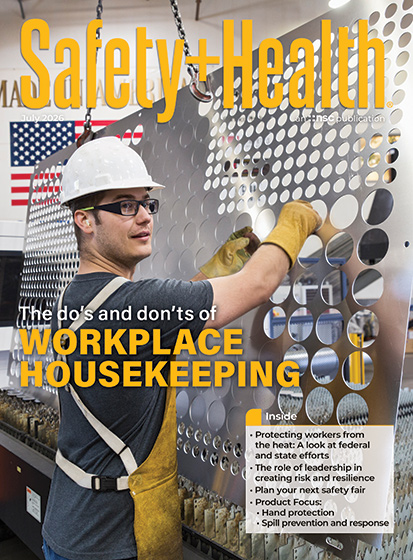
Take a quiz about this issue of the magazine and earn recertification points from the Board of Certified Safety Professionals.