

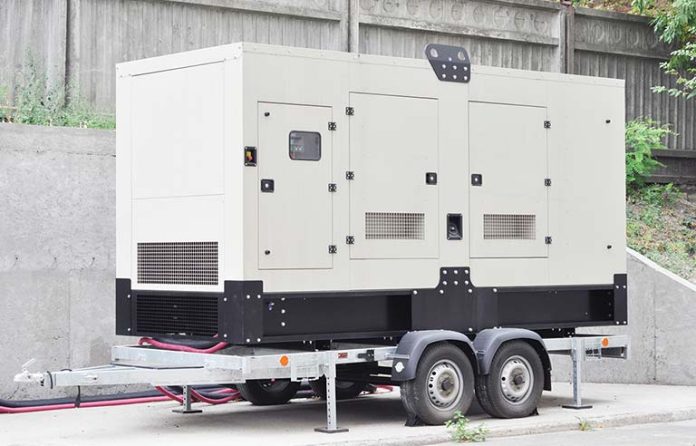
Contact with electricity is one of the leading causes of fatalities in construction, according to OSHA.
Temporary power is allowed only for construction; remodeling; maintenance; repair; demolition of buildings, structures or equipment; or similar activities.
To ensure proper safety procedures are met when working with or around temporary power, temporary wiring should be designed and installed by a qualified electrician according to National Fire Protection Association 70E requirements. The qualified electrician can ensure the temporary power has the capacity to supply all connected loads. Other temporary power safety tips from the Electrical Safety Foundation International:
- Temporary power equipment on a worksite should be protected from vehicle traffic, accessible only to authorized persons and suitable for the environmental conditions that may be present.
- Establish a time frame of when temporary power will be removed or switched over to permanent power.
- Inspect cords and wiring for damage or alterations, and remove any that aren’t in good working condition.
- Make sure equipment, receptacles, and flexible cords and cables are properly grounded.
- Ground fault circuit interrupter protection is required for all 125-volt, 15-, 20- and 30-ampere receptacle outlets. Listed cord sets or devices incorporating listed GFCI protection for portable use are permitted. Other receptacle outlets should be GFCI protected.
- Test GFCIs monthly.
Once a project is complete, ESFI says that temporary power must be removed.

