Morgantown, WV — Turning mundane manufacturing tasks into games may boost worker engagement, motivation and productivity – but it also may stress out some people, results of a recent study show.
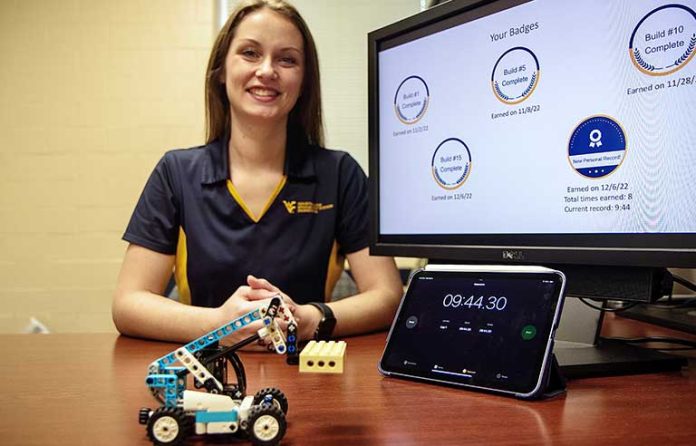
Researchers at West Virginia University divided 20 participants into a “gamified” group and a control group. Both groups assembled a model of a cherry picker, also known as reach forklift, during five different sessions (15 total assemblies).
For the participants in the gamified group, their productivity was measured and rewarded via game-like elements such as progress bars and badges. By the time they got to their final build, they were significantly faster at completing the task. However, the gamification also “increased frustration, effort, time pressure, and mental and physical demands,” study author Makenzie Dolly, an assistant professor at WVU, said in a press release.
Anyone designing a gamification application must consider workers’ personalities or patience levels with more difficult tasks, Dolly said.
“Every individual has their own threshold for what level of challenge and stress is helpful, and pushing employees past that point can lead to high turnover and sick leave,” she added. “When it comes to gamification, workers need to be in that sweet spot between boredom and overwhelm.”
The study was published online in the journal Robotics and Computer-Integrated Manufacturing.