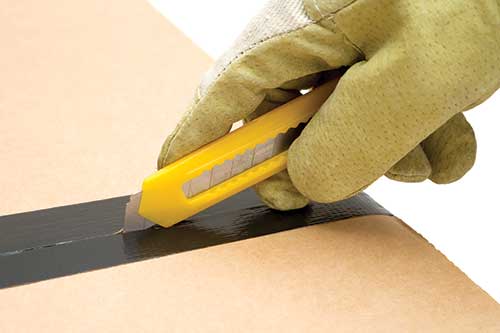
Cuts and lacerations are common workplace injuries. In fact, about 30% of all workplace injuries involve cuts or lacerations, and approximately 70% of those are to the hands or fingers, according to the Ohio Bureau of Workers’ Compensation.
These injuries can range from minor abrasions that require first aid to serious or life-threatening puncture wounds, deep lacerations or amputation injuries.
How workers get hurt
A cut or laceration can occur a number of ways on the job. A worker may use the wrong tool for the job or a tool that’s in poor condition. Or, he or she might be working on a machine that has missing or improperly adjusted guards. Poor lighting, clutter and debris also can play a part, as can lack of training, working too fast, failure to wear proper personal protective equipment and not following safety procedures.
Keep them safe
Employers need to establish work procedures to identify and control worker exposure to cut and laceration hazards, Ohio BWC states. Tips from the bureau include:
- Use the right tool for the job. Inspect it thoroughly before starting work.
- Make sure the tool is secure at all times while cutting, and never hold the item being cut in your hand. Keep the non-cutting hand clear of the path of the cut.
- Ensure blades are sharp – dull blades require more force to use, thus increasing the risk of incidents.
- Wear necessary PPE, including eyewear, gloves and long-sleeved shirts.
- Never use a cutting blade as a screwdriver, pry bar or chisel.
- Don’t leave exposed blades unattended, and keep tools with blades in a closed position when not in use.
- Use a separate drawer for sharp tools.