

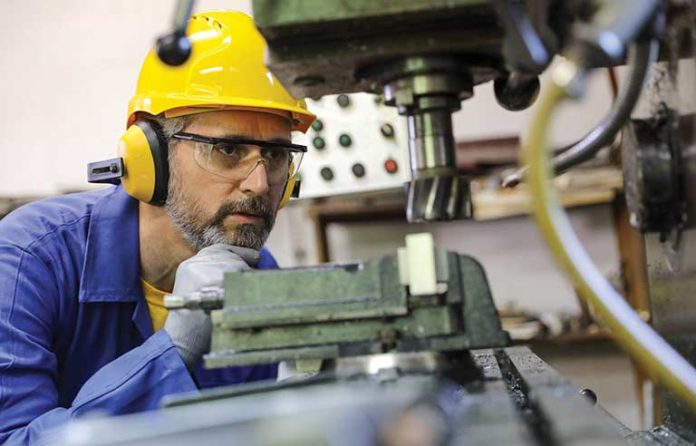
From the blare of a forklift-collision warning to the wail of an ambulance siren, noise can make us aware of hazards our eyes haven’t yet seen. But not all noise is helpful.
“At certain levels it can become hazardous,” NIOSH cautions. Repeated workplace exposure to noise that’s 85 dBA or louder can permanently damage workers’ hearing – and even contribute to high blood pressure and cardiovascular disease.
The good news? “Noise-induced hearing loss is nearly always preventable,” NIOSH says. “Reducing workplace noise below 85 dBA is the best way to prevent occupational hearing loss and other effects from hazardous noise.”
Employers can help by:
Buying quiet. “Buy Quiet is a prevention initiative that encourages companies to purchase or rent quieter machinery and tools to reduce worker noise exposure,” NIOSH says.
Monitoring workers’ hearing. NIOSH recommends annual audiometric testing (a hearing test that measures the lowest level of sound someone can hear) for workers who are regularly exposed to noisy environments. “Testing should be performed by a professional certified by the Council for Accreditation in Occupational Hearing Conservation or equivalent certification,” the agency adds.
Creating a noise map. Use a sound level meter to measure areas in the workplace that are loud, and then map out those locations for workers. No access to an SLM? You can use a sound measurement app. NIOSH has one – go to cdc.gov/niosh/topics/noise/app.html to find it.
Communicating with workers about noise exposure. Use plain language to explain the risks to your workers. NIOSH recommends sharing your noise maps and posting signs in noisy areas.
October is recognized as National Protect Your Hearing Month.

